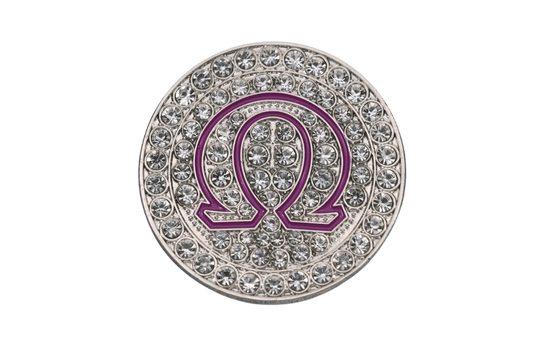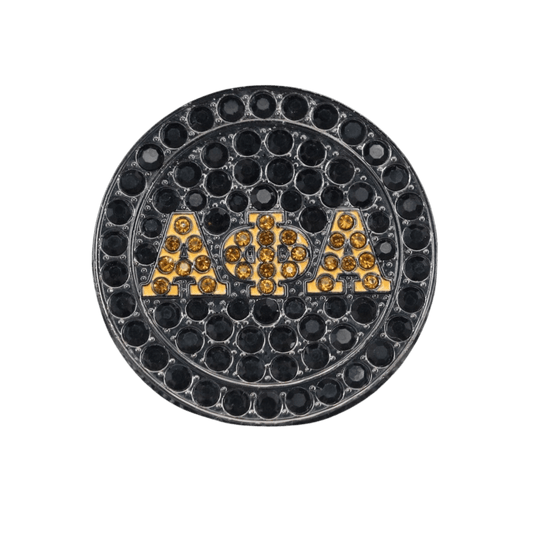

A chain can make the pendant, or make it look like it borrowed somebody else’s shine. That is why a real fraternity chain comparison is about more than picking gold or silver from a product photo. Your chain sets the tone for how your letters, crest, shield, dove, ivy, pyramid, cane, or Omega symbol shows up at the probate, chapter meeting, founders’ day program, and the cookout afterward.
The right choice depends on what you are wearing, how often you wear it, and whether you want clean daily rep or a piece that speaks before you do. A thin chain may let a detailed pendant take center stage. A heavier chain can turn a simple symbol into a full chest piece. Neither is automatically better. The flex has to fit the moment.
Fraternity Chain Comparison: Start With the Pendant
Before comparing chain styles, look at the piece that will hang from it. Large, detailed pendants need visual balance and physical support. A substantial Kappa cane-inspired pendant, a Delta pyramid, an Alpha sphinx, or a custom chapter crest can get lost on a chain that is too fine. On the other hand, a smaller AKA ivy, Zeta dove, Sigma symbol, or discreet line-number pendant can look sharper on something more restrained.
Pay attention to the bail too. That is the loop at the top of the pendant where the chain passes through. A wide bail may not fit every chain style, especially thicker links. It is a small detail, but nobody wants their new piece to arrive ready for the function and find out the chain will not slide through it.
Think about the message you want the jewelry to send. A pendant that honors a life-member anniversary or memorial line brother often calls for a classic, polished chain that keeps the focus on the symbolism. A bold probate or step-show look may call for more weight, more texture, and a little more yard presence.
Chain Styles and What They Say
The most common chain styles each bring a different look. You do not need a whole jewelry vocabulary lesson to choose well, but you should know what changes when the links change.
Rope chains bring movement and shine
A rope chain is made from twisted links, creating a textured, light-catching finish. It is one of the strongest choices when you want your necklace to carry some energy even before the pendant enters the room. Rope chains pair naturally with bold org symbols and work well for neos who want a crossing gift with immediate presence.
The trade-off is that a rope chain can compete with an intricate pendant. If the pendant already has a lot happening - stones, enamel color, multiple symbols, or detailed engraving - a finer rope chain is usually the better call. Let both pieces shine without fighting for attention.
Cuban links bring weight and confidence
Cuban link chains have thick, closely set links and a strong, structured look. This is the choice for members who want the chain to be part of the statement, not just the thing holding the pendant. A Cuban link can give an Omega symbol, centaur, shield, or clean Greek-letter pendant a heavier, more commanding presentation.
Weight comes with a practical consideration. Thicker Cuban links cost more because they use more material, and they can feel like too much for a small pendant or formal event. If you are buying one piece to wear with a suit at a founders’ day gala and with a polo at the chapter cookout, a medium-width Cuban is often the sweet spot.
Franco chains are clean and durable
Franco chains use tightly woven V-shaped links that create a smooth, squared-off pattern. They have a polished, intentional look without the extra flash of a rope chain. For somebody who wears their letters every day, a Franco is a strong contender: it feels substantial, handles a pendant well, and does not look out of place with a T-shirt, button-down, or business-casual fit.
This style is especially good when the pendant is the star. A custom crest, a chapter-specific design, or a detailed piece with colored stones gets support from the chain without losing the spotlight.
Box chains keep it classic
Box chains are built from square links. Their simple geometry makes them versatile, especially for smaller pendants and more ceremonial jewelry. If your style leans polished rather than loud, a box chain has that classic appeal. It works for a life-member piece, a subtle founders’ day gift, or a pendant you want to wear under a collared shirt.
The main trade-off is that very thin box chains are not the best match for heavy pendants. Match the chain’s thickness to the pendant’s weight. If the piece has real presence, give it a chain that can carry the assignment.
Metal Color Changes the Whole Look
Gold-tone jewelry carries warmth, tradition, and a dressier kind of shine. It is a natural match for organizations whose colors, symbols, or personal style lean into gold. It also looks right at anniversary banquets, formals, and celebrations where you want the jewelry to feel like an heirloom in the making.
Silver-tone and white-metal looks are crisp, modern, and easy to wear with almost anything. They can make colored enamel, stones, and intricate engraving pop. A silver-tone chain can also be the move if you already wear a watch, ring, or bracelet in that finish and want the full fit to look coordinated.
Black finishes create a different kind of pressure. They are understated but not quiet, especially with a polished symbol or a pendant that carries color. They work for streetwear looks, chapter apparel, and anybody who does not need their jewelry to sparkle from across the yard to be recognized.
There is no universal “best” metal color for an org. The better question is whether it works with your wardrobe, your pendant, and the moments you want to wear it. If this will be your everyday chain, choose the finish you already reach for. If it is a one-of-one milestone piece, choose the finish that makes the story feel right.
Length Is Not a Minor Detail
An 18-inch chain sits closer to the neck and gives a compact, classic look. A 20-inch chain is a dependable middle ground for most people, allowing a pendant to rest around the upper chest. A 22- to 24-inch chain gives more room, more visibility over a shirt, and more of that bold pendant-forward presence.
Your build and your usual neckline matter. A chain that sits perfectly on one line brother may look too short on another. If you wear collared shirts, hoodies, or chapter jackets often, a slightly longer chain gives the pendant room to show. If you want something subtle under a shirt or close to the collarbone, stay shorter.
For layered looks, use contrast. Pair a shorter, thinner chain with a longer pendant chain rather than stacking two chains of almost identical length and width. The goal is intentional layering, not a jewelry traffic jam.
Do Not Ignore Durability and Care
A chain has to survive real life: long programs, travel, sweating through a step show, getting caught on a hoodie, and being tossed into a bag after a weekend with the chapter. Look for secure clasps, links that do not feel flimsy, and a chain weight that matches how you actually move.
Avoid sleeping, showering, swimming, or working out in plated jewelry whenever possible. Fragrance, lotion, chlorine, sweat, and moisture can dull the finish over time. Wipe your chain with a soft dry cloth after wearing it, then store it separately so it does not tangle with other pieces or pick up scratches.
Price should be part of the comparison, but it should not be the only one. A cheaper chain that breaks after two wears is not a deal. A more substantial piece that gets regular wear through probate season, anniversaries, and every function in between gives you more value. FraternityRings.com backs qualifying jewelry with lifetime replacement and re-plating support, which matters when your piece is meant to stay in rotation for years.
Choose the Chain for Your Moment
For a crossing gift, choose something versatile enough that a neo can wear it immediately without needing a special occasion. For a 10-, 25-, or 50-year anniversary, lean into weight, detail, and a finish that feels commemorative. For a custom organization pendant, let the crest and its traditions guide the chain style instead of forcing a generic look onto letters that deserve their own identity.
Your chain should not feel like an afterthought hanging under your pendant. It is part of the rep, part of the memory, and part of how your earned letters carry from one season of membership to the next. Pick the one that looks right when the camera comes out, but also the one you will still be proud to clasp on years after the line is over.