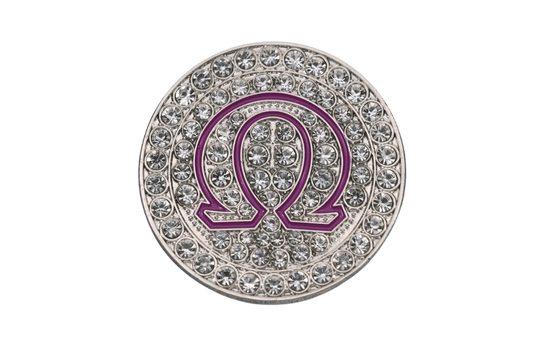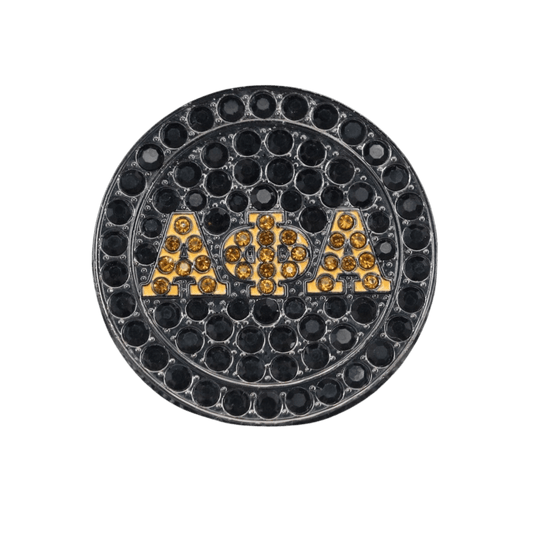

That ring has to survive more than a quick mirror selfie. It may see a probate, a step show, a chapter meeting, founders’ day, an anniversary gala, and plenty of handshakes in between. The best fraternity jewelry materials are not just about looking good when the package lands. They are about how your letters, symbols, colors, and line pride hold up after real wear.
A bold Omega signet, an AKA ivy pendant, a Kappa cane piece, or a Delta pyramid deserves a material that matches the moment. The right choice depends on how often you wear it, your budget, how much maintenance you can tolerate, and whether this is your everyday flex or a legacy piece you plan to hand down.
Best Fraternity Jewelry Materials for Every Wearer
There is no single material that wins for everybody. A neo buying a first ring may need a durable, accessible option that can handle daily campus life. A life member shopping for a 25-year anniversary piece may want precious metal that carries the weight of that milestone. Both are valid. The key is knowing what you are getting before you put your letters on it.
Stainless Steel: Built for Daily Repping
Stainless steel is one of the strongest choices for members who want low-maintenance jewelry. It resists rust, handles moisture well, and is far less likely to bend or scratch than softer precious metals. If you wear your ring to class, work, the gym, chapter functions, and the cookout, stainless steel can take the assignment.
It is especially good for bold engraved designs, raised letters, and pieces with black, blue, purple, red, or green color details. The trade-off is that stainless steel does not carry the same traditional precious-metal feel as gold or sterling silver. It is practical, clean, and tough - but it is not usually the material someone chooses for a once-in-a-lifetime heirloom.
For active members, line brothers, and sorors who want dependable everyday shine without babying their jewelry, stainless steel is hard to beat.
Sterling Silver: Classic With Real Presence
Sterling silver brings a more traditional jewelry feel. It has a bright, cool shine that works beautifully with detailed fraternity and sorority symbols, especially designs that need crisp engraving or sculpted dimension. A silver Phi, dove, poodle, sphinx, or crest can look sharp without feeling overdone.
The catch is tarnish. Sterling silver naturally reacts with air, sweat, lotion, and certain chemicals over time. That does not mean it is poor quality. It means it needs care. A soft polishing cloth and smart storage go a long way, and regular wear can actually help keep some silver pieces looking lively.
Choose sterling silver when you want a meaningful piece with more jewelry pedigree than steel and you are willing to give it a little attention. It is a strong lane for crossing gifts, graduation gifts, anniversary pendants, and rings that need a refined finish.
Gold-Plated Jewelry: Big Gold Look, Smart Budget
Gold plating gives you the warm, unmistakable look of gold at a more accessible price. For many members, that matters. You should be able to show up to the function in a piece that looks like it belongs there without putting tuition, rent, or your whole probate budget on the line.
Plated jewelry has a base metal underneath, topped with a layer of gold-toned plating. The thickness and quality of that plating matter, as does how you wear it. Friction, sweat, chlorine, cologne, and rough surfaces can gradually wear down the finish, especially on rings and bracelets that see constant contact.
A gold-plated pendant or lapel pin typically faces less friction than a ring, so it can be an especially smart choice for statement pieces. Think of it as the show-up-and-show-out option: high visual impact, reasonable cost, and best results when you treat it with respect. Take it off before swimming, working out, or doing anything that has your hands in chemicals.
Gold Vermeil: A Step Up for Silver Lovers
Gold vermeil is gold plating over sterling silver rather than a standard base metal. That distinction matters because it pairs the value and feel of sterling silver with a gold finish. It can be a great middle ground for someone who wants a more elevated piece but is not ready to make the jump to solid gold.
Vermeil still needs care because it is plated, but it often feels more special than basic gold-tone jewelry. It makes sense for a founders’ day pendant, a gift for a prophyte, or an anniversary piece where you want gold color with a more premium foundation.
Ask about the underlying metal and the finish when comparing pieces. “Gold” can mean several very different things, and knowing whether a piece is plated, vermeil, filled, or solid helps you compare value honestly.
Solid Gold: The Legacy Choice
Solid gold is for the member building a keepsake, not just an accessory. It does not have a surface coating that can wear away, and it can last for generations with proper care. A solid gold ring engraved with your chapter, crossing year, line name, or organization symbol carries a different kind of permanence.
Gold is measured in karats. Higher-karat gold contains more pure gold, but it is also softer. For jewelry that gets worn often, 10K and 14K gold are popular choices because they balance gold content with durability. Eighteen-karat gold has a richer color, but it is softer and typically costs more.
The trade-off is obvious: price. Solid gold is a real investment, particularly for heavier rings or detailed custom designs. But for a life member celebration, a major chapter anniversary, or a piece you want your family to keep, it earns its place. This is the ring you wear when the letters are not just part of your story - they helped shape it.
Choosing Materials by Jewelry Type
The material that works for a pendant is not always the material that works for a ring. Rings take more abuse because they meet desks, steering wheels, weights, door handles, and every handshake on the yard. Stainless steel and solid gold are excellent for frequent ring wear, while plated rings need more careful handling to preserve their finish.
Pendants have an easier life, which gives you more room to choose based on style. Gold plating, vermeil, sterling silver, and solid gold can all work well for a pendant, especially if it carries a meaningful org symbol. A detailed Kappa cane, AKA ivy, Sigma Phi, or Iota centaur can look incredible in a more decorative finish because it is not constantly rubbing against hard surfaces.
Lapel pins and tie accessories are usually worn occasionally, so visual detail often matters more than maximum toughness. Plated finishes can make sense here, particularly when a piece is for ceremonies, formal events, founders’ day, or a chapter photo where every detail needs to hit.
Skin Sensitivity Is Part of the Decision
If your skin turns green, itches, or develops irritation from certain jewelry, do not ignore it. The issue may be nickel or another alloy in the base metal, not the design itself. Stainless steel can be a good option for many wearers, though sensitivities vary. Sterling silver is often well tolerated, and higher-quality gold options can also be a better fit.
The safest move is to check the material details before buying, especially for rings worn all day. A fresh finish cannot save a piece that your skin does not agree with. Your letters should make a statement, not start a problem.
Care Makes the Material Last Longer
Even the right material needs the right habits. Wipe jewelry down after a long day, especially after stepping, sweating, or being outside in heat. Store pieces separately so rings and pendants do not scratch each other. Keep plated jewelry away from pools, hot tubs, harsh cleaners, and direct sprays of fragrance.
Silver benefits from occasional polishing, while plated pieces need a gentler touch. Solid gold and stainless steel are more forgiving, but they still look better when cleaned regularly with a soft cloth and mild soap and water. Avoid abrasive cleaners unless the manufacturer specifically says they are safe.
A quality jeweler standing behind re-plating or replacement support also changes the equation. FraternityRings.com understands that a piece tied to your crossing, chapter, or line is not disposable. It is part of the record.
Let the Moment Choose the Metal
For an everyday ring, prioritize durability. For a probate gift or statement pendant, prioritize the finish and detail that makes the symbols pop. For a milestone piece, choose the material that feels worthy of the years behind it.
The best choice is the one that lets you wear your letters with confidence - whether you are a neo catching your first founders’ day, a prophyte celebrating decades in the bond, or a chapter member creating something your organization has never seen before. Your symbols already carry history. Give them a material ready to carry it too.