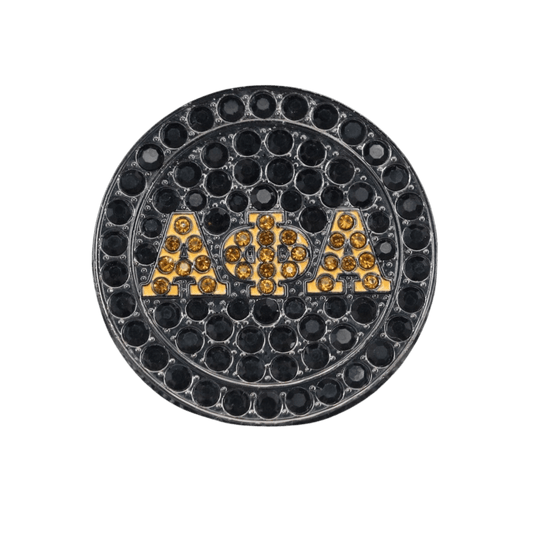

That ring looked right at the probate, the cookout, and every picture after. Then somebody asks the practical question: can Greek jewelry get wet? Yes, it can get wet, but that does not mean water is good for it. A quick rain shower or a little sweat during a hard step show is one thing. Daily showers, pool water, hot tubs, and product buildup are another.
Your letters carry weight. Whether you are wearing an AKA ivy pendant, a Delta pyramid ring, a Que piece with the Omega front and center, or a custom crest from your chapter, keeping it clean is part of keeping the flex intact. The right care depends on what the piece is made of, especially whether it is solid metal, sterling silver, stainless steel, or plated.
Can Greek Jewelry Get Wet? The Real Answer
Most Greek jewelry can survive occasional contact with plain water. If your ring catches rain on the way into the function or your pendant gets sweaty while you are on the yard, do not panic. Dry it promptly with a soft, clean cloth and move on.
The issue is repeated exposure. Water can sit under stones, collect in engraved details, and leave mineral residue behind. More importantly, the things mixed into water are rough on jewelry. Soap, shampoo, conditioner, body wash, lotion, perfume, chlorine, salt, and household cleaners can dull the finish or speed up wear on plating.
So the better rule is simple: your jewelry can handle an accidental splash, but it should not live in the shower, pool, or ocean. Take it off before you get in. Your letters deserve better than becoming part of the bathroom routine.
Your Metal Makes a Difference
Not every piece reacts the same way to moisture. Before deciding how careful you need to be, know what you are wearing.
Gold-plated and rhodium-plated pieces
Many bold, accessible Greek rings and pendants use a plated finish. Plating gives a piece that bright gold, silver-tone, or blackened look without requiring solid precious metal all the way through. It also needs protection.
Water alone is not usually the biggest enemy. The real problem is repeated friction plus chemicals. Showering with a plated ring means soap residue works into the engraving while the finish rubs against towels, washcloths, and your skin. Chlorine is even tougher. It can fade or discolor plating, especially after frequent pool use.
A plated Kappa cane pendant or a pair of chapter-themed earrings can still look sharp for a long time when you take them off before bathing and store them dry. If the finish eventually needs attention, re-plating is a normal part of owning and enjoying plated jewelry, not a sign that you did anything wrong.
Sterling silver pieces
Sterling silver can get wet, but it may tarnish faster when it is exposed to moisture, air, sweat, and chemicals. Tarnish is that darker film that can show up in recessed lettering, around a crest, or along the edges of a ring. It is not the same as permanent damage, and a proper silver polishing cloth can often bring the shine back.
Oddly enough, wearing sterling silver can sometimes help keep it looking bright because gentle contact with skin slows down oxidation for some people. But leave it wet after a workout or wear it in a chlorinated pool, and you are inviting more cleanup later. Dry it after exposure and keep it away from harsh cleaning solutions.
Stainless steel pieces
Stainless steel is one of the easier metals to wear. It generally handles water, sweat, and everyday life better than plated jewelry or sterling silver. That makes it a strong choice for the member who wants to wear their piece often without babying it every minute.
Still, “water resistant” is not the same as “wear it everywhere.” Pool chlorine, saltwater, and residue from body products can leave stainless steel looking less crisp over time. Rinse it with clean water after a sweaty day, dry it, and it will keep its edge.
Solid gold and higher-end metals
Solid gold is more forgiving than plated jewelry because there is no thin outer finish to wear through. But even gold is not built for a hot tub schedule. Chemicals can affect alloys, loosen stone settings over time, and leave a film that hides the shine.
If your anniversary ring, life member piece, or Founders' Day gift includes stones, enamel, or detailed settings, treat it with extra care regardless of the metal. Those design details are often more sensitive than the band itself.
The Places Your Jewelry Should Sit Out
There are times to wear your letters loud and times to let them rest. Take rings, pendants, bracelets, watches, and earrings off before showering, swimming, getting in a hot tub, or cleaning around the house. Do the same before applying lotion, sunscreen, hair spray, cologne, or perfume.
For active members, sweat is the real-life exception. You may wear your ring to a campus event, while strolling, or through a long day of chapter business. That is normal. Just do not toss it in a gym bag afterward and forget it. Sweat contains salt, and salt sitting against metal can leave residue and dull the finish.
The ocean deserves its own warning. Saltwater is rough on most jewelry, and waves make it easy to lose a ring that has been with you since crossing. The beach is a good place for org colors, not necessarily your favorite piece of jewelry.
How to Clean Greek Jewelry After It Gets Wet
If your piece got wet, handle it calmly. Do not reach for toothpaste, bleach, alcohol, or a random kitchen cleaner. Those internet tricks can scratch metal, damage plating, or cloud stones.
Start by patting the jewelry dry with a soft microfiber or jewelry cloth. If it has been exposed to pool water, saltwater, or heavy sweat, rinse it briefly with clean lukewarm water first, then dry it fully. Pay attention to the underside of a ring, the bail on a pendant, stone settings, and engraved areas where water likes to hide.
For regular cleaning, a soft dry cloth is usually enough. Sterling silver may need a silver-specific polishing cloth. For stainless steel or solid metal pieces, a small amount of mild soap and water can be appropriate, but rinse thoroughly and dry immediately. Avoid soaking any piece, especially one with stones, enamel, glued elements, or plating.
If a ring has started to look cloudy, faded, or darker than it should, do not scrub harder. That can make the problem worse. A professional jeweler or the original seller can help you identify whether you are dealing with surface buildup, tarnish, scratches, or plating wear.
A Storage Habit That Protects the Flex
Jewelry care is not just about what happens in water. It is also about where your pieces go when you are not wearing them. Leaving a pendant on the bathroom counter means it gets exposed to steam, humidity, hair products, and the possibility of getting knocked behind the sink. That is not the chapter standard.
Store each piece clean and dry in a soft pouch, lined box, or separate compartment. Keeping pieces apart prevents chains from tangling and rings from scratching one another. For sterling silver, an airtight bag can help slow tarnish. For plated pieces, storing them away from humid spaces can preserve the finish longer.
If you rotate between your everyday ring, a probate-season statement piece, and something more ceremonial for the anniversary gala, wipe each item down before storing it. Five seconds now saves you from trying to revive a dull piece right before the photo line.
When Wear Is Normal and When to Ask for Help
A little character comes with wearing jewelry that actually goes places with you. Fine scratches, especially on rings, are normal. A plated finish gradually softening after repeated wear is also normal. It does not take away from what the piece represents.
But loose stones, bent prongs, a cracked band, broken chain links, or a sudden change in color deserve attention. Stop wearing the piece until it can be checked. Catching a loose stone early is much better than realizing your chapter gift lost a detail somewhere between the venue and the parking lot.
At FraternityRings.com, the goal is jewelry that can show up for your real life, from the line photo to the family reunion and every Founders' Day after. Give your pieces the same respect you give the letters: wear them with pride, take them off before the water gets serious, and keep them ready for the next time your chapter steps out.