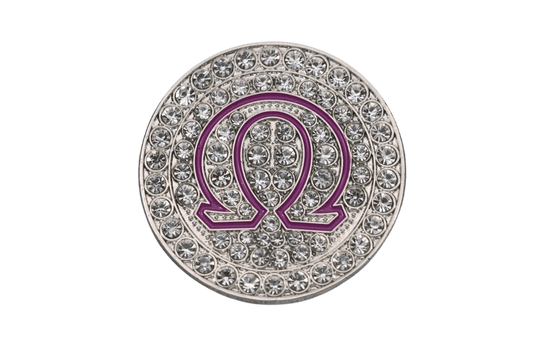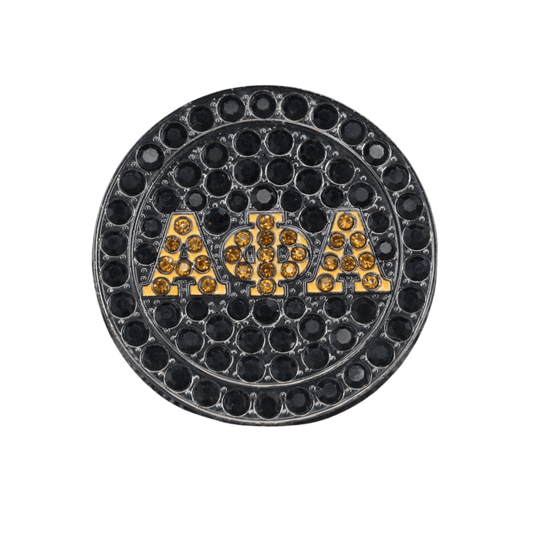

That ring does not just show your colors. It carries a crossing story, a line number, a chapter connection, and every function where somebody stopped you to ask where you got it. So when you compare Greek jewelry warranties, the real question is not whether a brand uses the word “lifetime.” It is whether they will still stand on that piece after the yard, the step show, the gala, and years of everyday wear.
A warranty should match the meaning behind the jewelry. Your letters were earned. The piece representing them deserves more than a vague promise printed in tiny type.
What Greek Jewelry Warranties Should Actually Cover
Jewelry takes real wear. Rings meet steering wheels, gym bags, desk edges, hand sanitizer, weather, and the occasional hard clap at a probate. Pendants rub against chains. Lapel pins get tossed into travel bags before founders' day. Even a well-made piece can need attention over time.
The strongest Greek jewelry warranties recognize that reality. They should clearly explain whether the brand supports replacement for qualifying defects, re-plating when a finish needs refreshing, and repairs for issues such as a broken band, loose stone, damaged bail, or failed clasp. The exact coverage depends on the maker and the material, but the language should be direct enough that you know what help looks like before you place the order.
A lifetime promise means more when the process is simple. Can you contact a real person? Do you need your order number? Are photos required? Is there a service fee, shipping cost, or material charge? Those details are not small print when the piece is your everyday flex.
At FraternityRings.com, lifetime replacement and re-plating support are part of the commitment because org jewelry is meant to be worn, not kept in a box waiting for a special occasion. Still, smart shoppers should always read the terms for the specific item they are buying. Coverage can vary by product, finish, customization, and the type of damage involved.
Warranty, Repair, and Care Are Not the Same Thing
A warranty protects you when something goes wrong with the craftsmanship or an eligible component. A repair service helps restore a piece that has been damaged through normal life. Care is what you do to keep your jewelry looking right in the first place.
Those lines can overlap, which is why people get frustrated when they assume every scratch or bent ring is automatically covered. A warranty is not usually a free pass for lost jewelry, heavy impact damage, altered pieces, or wear caused by harsh chemicals. That does not make the warranty weak. It makes the policy honest.
For example, plating naturally wears differently depending on how often you wear a ring, your skin chemistry, and how much the piece comes into contact with water, lotions, cleaners, or cologne. A gold-tone Que ring worn every day will live a different life than a ceremonial pendant brought out for chapter events. Re-plating support matters because it gives that well-loved piece a path back to its shine.
The goal is not to find a policy that claims nothing can ever happen. The goal is to buy from a brand that has a clear answer when something does.
Questions to Ask Before You Checkout
You do not need to turn a jewelry purchase into a legal deposition. But before you claim that new Kappa cane-inspired ring or AKA ivy pendant, get clear on a few points: what is covered, how long coverage lasts, what proof of purchase is needed, and what happens if your exact design is no longer available.
Also ask how custom work is handled. A ring with your chapter name, crossing year, line number, or a personal inscription is not the same as a standard piece. If it needs replacement, can the customization be recreated? Will the brand use the original artwork or production notes? For a one-of-one line gift, those answers matter.
If you are buying for a neo, your prophyte, a line brother, or your soror, save the receipt or order confirmation with the gift details. It is a small move that makes a future service request much easier.
Why Material and Finish Change the Conversation
Not every metal behaves the same, and no warranty can change the nature of the material. Solid precious metals, stainless steel, sterling silver, plated brass, and gold vermeil each bring different price points, weight, maintenance needs, and expected wear.
Plated jewelry is often the move when you want bold org style without putting life-member money into every piece. You can build a full rotation for probate season, homecoming, founders' day, and chapter events. The trade-off is that plated finishes may need more maintenance than solid gold or stainless steel, especially if you wear them daily.
Sterling silver can develop tarnish. That is normal, not necessarily a defect. Stainless steel is generally durable and low maintenance, but it may not offer the same traditional feel or detail options as other metals. Solid gold carries long-term value and can be repaired by many jewelers, but it costs more up front.
A good warranty works with the material instead of pretending all jewelry ages identically. If a brand cannot tell you what the piece is made of, how it is finished, and how to care for it, the guarantee is not the only thing you should question.
Keep Your Letters Ready for the Next Function
Your warranty is backup. Your care routine is the front line. Take rings off before lifting weights, handling cleaning chemicals, swimming, or doing hands-on work that can bend or scratch them. Wipe pieces with a soft, dry cloth after wearing them, especially after a long outdoor event or a night of stepping and strolling.
Store rings and pendants separately when possible. Throwing every pin, chain, and ring into one pouch is an easy way to create scratches and tangles. Keep jewelry away from moisture, perfume, hairspray, and lotion until those products have dried.
For plated pieces, gentle cleaning wins. Do not attack the finish with abrasive polish or a rough brush. For sterling silver, use a cleaner made for silver and follow its instructions carefully. When in doubt, ask the brand before trying a viral cleaning trick that promises to make your jewelry look brand new in 30 seconds. Your letters deserve better than a science experiment in the kitchen.
When It Is Time to Reach Out
Do not wait until a minor issue becomes a full repair job. If a stone shifts, a clasp starts sticking, plating wears unevenly, or a ring feels bent after an accident, take clear photos and contact the seller. Include your order information, the date of purchase if you have it, and a short description of what happened.
Be straightforward. If the piece caught on something during travel, say that. If it has been worn daily for three years, say that too. A good jewelry team can give the right recommendation only when they understand the condition of the piece.
The Best Guarantee Is One You Can Use
A flashy ring should look good under the lights, but the warranty behind it should look good in daylight too. Read it before the purchase, keep your order records, and choose materials that fit how you actually wear your jewelry. A chapter president at formal events and an undergrad on the move may want different things from the same set of letters.
Your Greek jewelry is part of how you show up - for your org, your line, your chapter, and the legacy that came before you. Buy the piece with pride, wear it like you mean it, and make sure the guarantee is ready to stand with you when life puts it to the test.