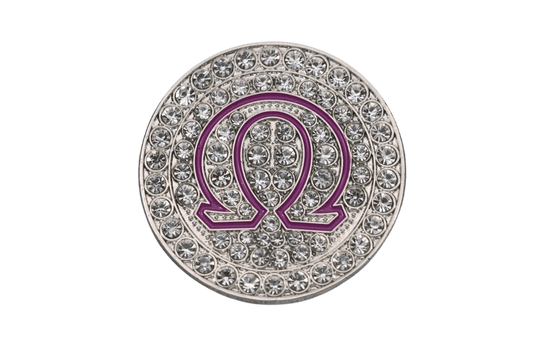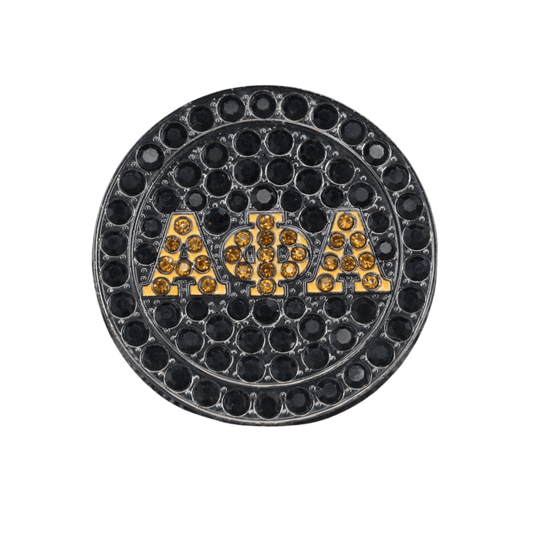

Your ring looked perfect at probate, founders' day, or that first chapter photo. Then one day, you notice a darker spot around the band or a little dullness near the ivy, pyramid, dove, or Greek letters. So, do sorority rings tarnish? They can - but whether they do, how quickly it happens, and what you can do about it all come down to the metal, the finish, and how you wear your piece.
A little discoloration does not mean your ring is low quality or that it has reached the end of its story. Jewelry is worn through real life: chapter meetings, work, stepping, trips, cookouts, hand lotion, sanitizer, perfume, and every moment in between. The goal is not to baby your letters. It is to understand how to keep them looking ready when it is time to represent.
Do Sorority Rings Tarnish? It Depends on the Metal
The word “tarnish” gets used for almost any ring that loses its bright finish, but different metals change in different ways. Some metals chemically react with air, moisture, sulfur, and products on your skin. Others do not tarnish much but can scratch, fade, or lose plating over time.
Sterling silver can develop a darker patina
Sterling silver is a classic choice for Greek jewelry because it has a bright white finish, solid weight, and a look that works from the yard to the gala. It can tarnish, though. Sterling silver contains a small amount of copper, and that copper reacts with sulfur compounds in the air and on the skin. The result is usually a gray, brown, or black film on the surface.
That darkening is normal, especially if you live in a humid climate or leave the ring in a bathroom. It is also usually reversible. A proper jewelry polishing cloth and gentle cleaning can bring the shine back without disturbing the details that make your org ring yours.
Some members actually appreciate a bit of silver patina in recessed lettering or around raised symbols because it makes the design stand out. A polished face with darker definition around an AKA ivy or Delta pyramid can give the ring more depth. If you prefer that brand-new shine, regular light cleaning is the move.
Gold does not tarnish the same way, but lower-karat gold can dull
Solid gold is highly resistant to tarnish. The higher the gold content, the less likely it is to react and change color. Still, most wearable gold jewelry is alloyed with other metals for strength. That means 10K and 14K gold may show some dullness over time, particularly with frequent exposure to chlorine, sweat, lotions, and cleaning products.
Gold rings are also not immune to scratches. A ring can look less shiny because the surface has picked up tiny marks, not because it has tarnished. A professional polish can often refresh the finish, though over-polishing should be avoided because it removes a very thin layer of metal each time.
Gold-plated and rhodium-plated rings need a little more intention
Plated jewelry has a layer of precious metal over a base metal. Gold plating gives a ring that warm, ceremonial look without the full solid-gold price. Rhodium plating is often used over white metals to create a crisp, bright-white finish.
Plating does not technically tarnish in the same way sterling silver does. Instead, it can wear down at high-contact points: the bottom of the band, raised letters, edges, and anywhere your hand rubs against surfaces. Once the plating gets thin, the metal underneath may become visible or may react with moisture and skin products.
That is the trade-off. Plated rings can be accessible, bold, and beautiful, especially for a neo, an anniversary gift, or a piece you rotate into your collection. But they need more care than solid precious metals. If your ring has lifetime re-plating support, use it when the finish starts looking tired. Your letters deserve better than being tucked away because they lost a little shine.
What Makes a Sorority Ring Tarnish Faster?
Your body chemistry plays a role. So does your routine. Two sorors can buy the same ring, wear it for the same amount of time, and have completely different results. One may keep a bright finish for years, while the other sees darkening in a few months.
Common culprits include moisture, sweat, perfume, hairspray, hand sanitizer, body lotion, household cleaners, pool chlorine, and even the sulfur compounds in the air. Humidity is especially tough on silver. If your ring stays on while you shower, sleep, work out, clean, and wash dishes, it is taking on more than chapter business.
Certain medications, changes in skin pH, and heavy perspiration can also speed up discoloration. That is not a reflection on you or the ring. It is simply chemistry meeting everyday wear.
Keep Your Letters Looking Like They Just Dropped
A good care routine does not have to be complicated. Take your ring off before swimming, showering, working out, or cleaning with chemicals. Put it on after you have applied lotion, fragrance, makeup, and hair products, not before. Those few habits make a real difference.
After a long day - especially an outdoor event, step show, or summer cookout - wipe the ring gently with a soft, dry microfiber cloth. This removes oils and moisture before they have time to settle into the metal and design details.
Store your ring in a dry jewelry pouch or box when you are not wearing it. Keeping it loose in a humid bathroom or piled against other jewelry invites scratches and tarnish. For sterling silver, an anti-tarnish pouch or strip can help slow surface darkening.
Avoid harsh DIY cleaning tricks. Toothpaste, baking soda scrubs, and abrasive brushes can scratch polished surfaces, wear down plating, and leave residue around stones, enamel, and raised Greek letters. A silver polishing cloth is usually enough for light tarnish. For deeper cleaning, use a jewelry cleaner that is specifically safe for your ring’s metal and any stones or decorative finishes it includes.
When Cleaning Is Not Enough
If a ring stays dull after gentle cleaning, the issue may not be surface tarnish. It could be worn plating, deep scratches, damage from chemicals, or buildup in engraved areas. That is when professional cleaning, polishing, or re-plating is worth considering.
Do not wait until the finish is completely gone. If you see the base metal showing through on a plated ring, get ahead of it. Re-plating can restore the intended color and help protect the piece before the wear becomes more noticeable.
For rings with stones, enamel, or detailed organization-specific artwork, professional service is the safer choice. A design with a delicate dove, poodle, pink and green ivy, crimson and cream detail, or a custom chapter crest should not be treated like a plain metal band. The details are the whole point.
A Ring Is Meant to Be Worn, Not Hidden
There is a difference between normal wear and neglect. A few tiny scratches from daily life? That is part of a ring becoming yours. A silver patina after a season of functions? Easily handled. But chemical exposure, rough cleaning, and never taking the ring off can shorten the life of any finish.
Choose a metal that fits how you actually live. If you want a low-maintenance heirloom piece for years of founders' days, chapter anniversaries, and life-member milestones, solid precious metal may be worth the investment. If you want a bold plated piece for regular rotation, probate gifts, or matching line jewelry, give it the care that finish requires.
At FraternityRings.com, the point is never just to sell a ring. It is to help you wear your affiliation with pride, whether you are a new initiate catching your first major function or a prophyte celebrating decades of service. Keep it clean, get it serviced when it needs love, and let your ring show up as strong as your sororhood does.