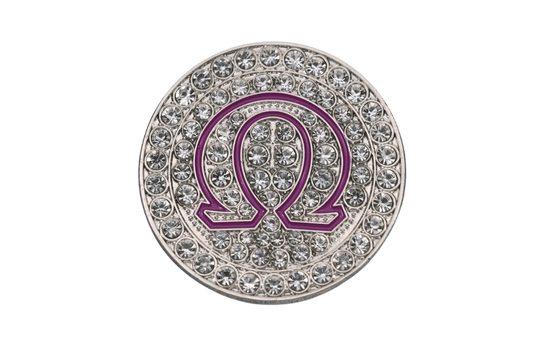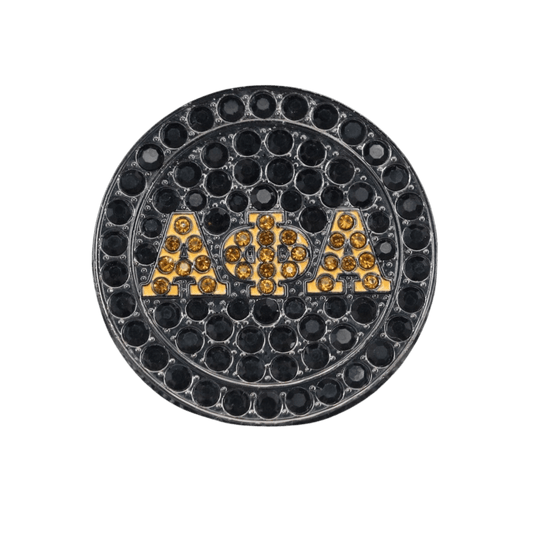

That pendant might look right at home with your colors at the cookout, a chapter event, or a founders' day fit. But before you wear your letters into the pool, shower, or a hard summer stroll, ask the question that can save the finish: Are Greek pendants waterproof?
Usually, no - not in the way most people mean it. A Greek pendant can handle the occasional splash, rainstorm, or sweaty step show better than it can handle regular exposure to water, soap, chlorine, salt, and moisture. The real answer depends on what your piece is made of and how it is finished.
Your letters are earned. Treating them right is not about being precious with your jewelry. It is about making sure that AKA ivy, Delta pyramid, Kappa diamond, Que symbol, or custom chapter crest still looks clean when it is time to rep your org.
Are Greek Pendants Waterproof or Just Water-Resistant?
“Waterproof” gets used loosely in jewelry, but it is not a promise that every pendant should live in the shower. For most Greek jewelry, water-resistant is the more accurate word. It means a piece may survive brief, accidental contact with water without immediate damage. It does not mean water has no effect over time.
A pendant has several places where wear can show first: the front finish, the edges of raised letters, the bail where the chain connects, and the back that rests against skin. Water itself is only part of the story. Body oils, lotion, cologne, hair products, detergent, pool chemicals, and saltwater can all leave residue or speed up tarnishing.
That matters even more for bold, detailed pieces. A clean gold-tone finish makes a cane-inspired design pop. A dull or patchy finish can make the same piece look like it has been through every probate since 2009.
The Material Makes the Difference
Not all Greek pendants need the same care. Before deciding whether yours can get wet, find out whether it is plated, stainless steel, solid gold, sterling silver, or another metal. If the product details are unclear, play it safe and keep it dry.
Gold-Plated and Rhodium-Plated Pendants
Plated jewelry has a thin layer of precious metal or a colored finish over a base metal. It is a popular choice because it gives members a polished, statement-making look at an accessible price. It can absolutely hold up with proper care, but the plating is not permanent armor.
Repeated showers, pool time, hot tubs, and ocean water can gradually wear down that outer layer. Chlorine is especially rough. Once plating begins to fade, the base metal underneath may become visible, particularly on sharp corners, raised Greek letters, and high-contact areas.
If your pendant is gold-plated, rose gold-plated, black-plated, or rhodium-plated, take it off before swimming or showering. One accidental splash is not a disaster. Making water exposure part of the daily routine is where the trouble starts.
Stainless Steel Pendants
Stainless steel is one of the better choices for members who want lower-maintenance jewelry. It generally resists rust and tarnish better than many other metals, and it can handle occasional water exposure well.
Still, “stainless” does not mean invincible. Chlorine, salt, and product buildup can affect shine over time. If the pendant has a colored coating, enamel, stones, or a plated accent, those details may need more care than the steel itself. Rinse it after exposure, dry it completely, and do not assume a stainless steel pendant is built for hot-tub duty.
Solid Gold and Sterling Silver Pendants
Solid gold is highly resistant to corrosion, which makes it one of the most water-tolerant jewelry materials. But that does not mean every solid gold pendant should stay on during every shower. Soap film can make it look dull, and chains, clasps, stones, or mixed-metal details may have different care needs.
Sterling silver can get wet, but moisture and air can contribute to tarnish. Chlorine and saltwater can make the problem worse. A silver pendant may be fine after a quick splash, yet still need regular polishing to keep its shine worthy of the function.
What Water Does to Your Pendant Over Time
The biggest risk is rarely a single rainy walk across campus. It is repetition. Wearing a pendant in the shower every day exposes it to heat, soap, shampoo, and minerals in the water. Wearing it in a pool adds chlorine. Wearing it at the beach adds salt, sand, sunscreen, and sweat.
Those elements can leave a cloudy film, darken certain metals, weaken plating, or settle into textured designs. If your piece includes stones or glued details, prolonged soaking can also affect the adhesive over time. Your pendant may still be wearable, but it may lose the crisp, fresh-out-the-box finish that makes your letters hit.
There is also the chain to consider. A pendant might look fine while its chain starts discoloring around the clasp or links. Since chains get more movement and more direct contact with skin and products, they often show wear before the pendant does.
When You Should Take Your Greek Pendant Off
You do not need to baby your jewelry every time you leave the house. Wear it to the chapter meeting, the tailgate, the gala, the yard, and the family cookout. But there are a few moments when taking it off is simply the smart move:
- Before swimming in a pool, ocean, lake, or hot tub
- Before showering, especially with plated jewelry
- Before working out if you expect heavy sweat and friction
- Before applying lotion, fragrance, sunscreen, or hair products
- Before cleaning with bleach, ammonia, or other chemicals
How to Keep Your Letters Looking Sharp
Good pendant care is simple and takes less time than getting everybody lined up for a group photo. After wearing your piece, wipe it gently with a soft, dry microfiber cloth. This removes skin oils and surface moisture before they build up.
If your pendant gets splashed, pat it dry as soon as you can. Do not toss it wet into a gym bag, jewelry box, pocket, or drawer. Trapped moisture can speed up tarnish and leave residue in detailed areas.
Store each piece separately when possible. A soft pouch or lined jewelry box helps prevent scratches from chains, rings, and other metal pieces rubbing together. For plated jewelry, avoid abrasive polishing cloths and harsh jewelry cleaners unless the maker specifically says they are safe for that finish.
For a deeper clean, use lukewarm water and a tiny amount of mild soap only when the material allows it, then dry thoroughly. Never scrub aggressively with a toothbrush or rough cloth. That might seem like a quick fix, but it can wear plating down faster and scratch polished surfaces.
What If the Finish Starts Fading?
A little wear does not mean your pendant has lost its meaning. The piece still represents your crossing, your line, your chapter, and every room where you earned the right to wear those letters. But if the finish is fading, peeling, or losing its shine, stop exposing it to water and chemicals right away.
Depending on the material, professional cleaning, polishing, repair, or re-plating may bring it back. This is one reason warranty support matters when choosing Greek jewelry. FraternityRings.com offers lifetime replacement and re-plating support, so members can keep wearing their org pride instead of retiring a favorite piece after normal wear.
A Greek pendant should be ready for the moments that matter - the anniversary gala, the step show, the founders' day photo, or the random day a prophyte stops you and says, “Let me see those letters.” Keep it out of the pool, dry it after the rain, and let the shine speak when it is time to show up.