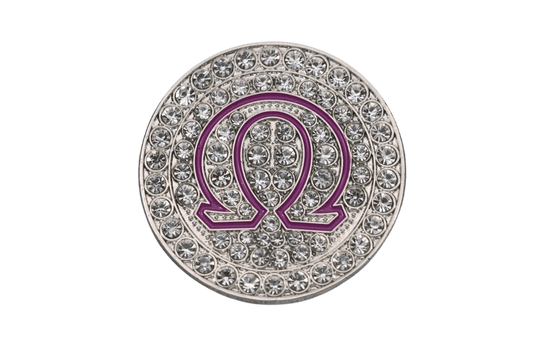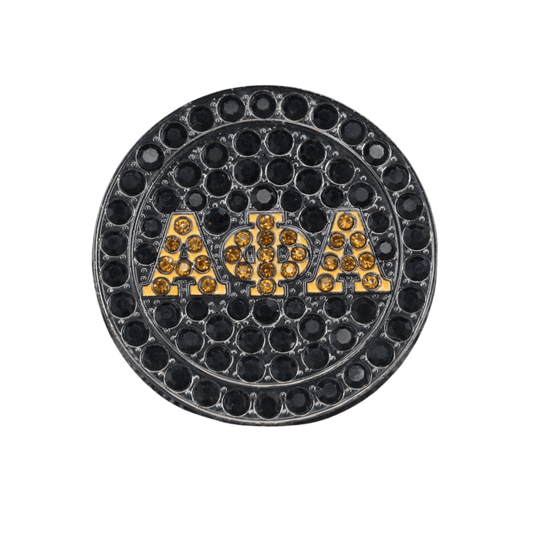

That fresh-out-the-box shine hits different when your letters are front and center. But after months of chapter meetings, work, gym sessions, handwashing, cookouts, step shows, and regular life, you may notice the color changing around the band, edges, or raised details. So, why do rings lose plating? Usually, it is not one dramatic moment. It is daily friction, chemistry, and wear doing what they do.
A plated ring is built to be worn and enjoyed, not locked away until Founders' Day. Still, knowing what is happening to the finish helps you care for your piece without treating it like it is made of glass.
Why Do Rings Lose Plating Over Time?
Plating is a thin layer of metal applied over a base metal to create a particular color and finish. Gold-tone rings may be plated with yellow gold, while silver-tone rings are often finished with rhodium for a bright, clean look. The base beneath that finish can vary by piece.
That outer layer is not paint, but it is also not a solid block of gold. It has a limited thickness, which means regular contact gradually wears it down. Think about how often your ring touches a steering wheel, phone, laptop, weights, countertop, pockets, keys, and every other part of your day. The underside of the band and the edges of raised Greek letters often show wear first because they take the most contact.
This is normal wear, especially for a ring you wear every day. A bold Omega, ivy, pyramid, dove, cane detail, or crest has high and low points. The high points naturally catch more friction than recessed areas, so they may mellow before the rest of the design does.
Sweat, Lotion, and Water Can Speed Up Wear
Your body chemistry matters more than most people realize. Sweat contains salt and can be acidic, and some people naturally have skin chemistry that wears plating faster than others. Two line brothers can buy the same ring, wear it the same number of times, and have completely different results.
Lotions, hand sanitizer, perfume, hair products, sunscreen, and cleaning chemicals can also leave residue that dulls a finish or speeds up plating loss. Hand sanitizer is a major one because it gets worked right into the area between your skin and the band. If you sanitize constantly at work, school, or the hospital, your ring is getting more chemical exposure than a piece worn only on special occasions.
Water itself is not always the main villain, but water mixed with soap, chlorine, salt, and repeated rubbing can be rough on plated jewelry. Taking a ring into the pool, hot tub, ocean, or shower is basically asking the finish to do overtime. A quick accidental splash is one thing. Making it part of the routine is another.
Friction Is the Biggest Reason a Ring Loses Plating
Plating wears away through abrasion. That means physical rubbing, not necessarily abuse. Opening doors, gripping barbells, moving furniture, playing sports, typing all day, or working with your hands can slowly polish the outer layer away.
Ring fit plays a role here too. A band that spins constantly on your finger creates more rubbing against the skin. A band that is too tight can trap sweat, lotion, and moisture underneath. Neither situation guarantees plating loss, but both can make it happen sooner.
Stacking rings can look clean, especially when the colors and symbols are coordinated, but metal-on-metal contact is hard on plating. If you wear your Greek-letter ring beside another ring every day, the sides that touch may lose finish faster. That is the trade-off for the stack.
Not Every Color Change Means the Plating Is Gone
Before assuming your ring needs to be replated, give it a proper cleaning. Oils, soap film, lotion, and dust can make a yellow finish look dull or a silver finish look gray. A soft microfiber cloth and lukewarm water with a small amount of mild soap can remove everyday buildup. Dry it thoroughly afterward.
Tarnish is also different from plating loss. Sterling silver can darken over time because it reacts with elements in the air and on the skin. That darkness can often be cleaned or polished away. Plating loss, on the other hand, usually looks like a different metal tone showing through, especially along edges and the bottom of the shank.
If the ring has stones, enamel, or detailed raised artwork, skip harsh jewelry dips, abrasive toothpaste, rough brushes, and random social-media cleaning hacks. They can damage more than they fix. A piece with your letters, chapter symbolism, or a custom crest deserves better than an experiment at the bathroom sink.
How to Help Your Greek-Letter Ring Keep Its Shine
The easiest rule is simple: put your ring on last and take it off first. Apply lotion, fragrance, hair products, and sunscreen before you put on your jewelry. At the end of the day, remove the ring before washing dishes, showering, lifting, cleaning, swimming, or doing hands-on work.
Store it separately when it is off your hand. Tossing several rings, chains, pins, and pendants into one drawer invites scratches. A soft pouch or lined jewelry box keeps pieces from rubbing against each other when they are not outside making a statement.
After a long day on the yard, at a gala, or at a cookout, wipe the ring down with a soft cloth. That small habit removes sweat and product residue before it has time to sit on the finish. It takes less time than finding the perfect angle for a LineUp photo.
If you know you work out daily, work with tools, or wash your hands all shift, consider saving your ring for the moments when you want it seen. That does not mean you cannot rep your org every day. It means matching the piece to the mission. A pendant, lapel pin, or silicone band can handle some situations better while your plated ring stays ready for the function.
When Replating Is the Right Move
Replating is a normal part of owning plated jewelry. If the base metal is showing, the finish is uneven, or the ring no longer has the color that made you choose it, professional replating can bring the piece back to life. A jeweler first cleans and prepares the surface, then applies a new layer of the appropriate finish.
How often that is needed depends on the ring's plating thickness, your wear habits, exposure to products, and your body chemistry. Someone who wears a ring only for chapter events may go years before needing service. Someone who wears it through every workday, workout, and weekend move may need attention much sooner. Neither wearer is doing it wrong.
Do not wait until the ring looks completely exhausted if you can help it. Addressing visible wear early can make restoration more straightforward. It is also smart to ask about replacement and replating support when you buy. FraternityRings.com stands behind its pieces with lifetime replacement and re-plating support, because a ring carrying earned letters should have a long future in the rotation.
Does Better Care Mean Never Wearing It?
Absolutely not. Your ring was made to be seen - at probate, on the anniversary trip, at the founders' program, in the chapter photo, and when somebody asks where you got that clean piece. Care is not about babying your jewelry. It is about protecting the symbol so it keeps showing up with the same pride you do.
Wear it boldly. Just give it a break before the pool, the bench press, and the dishwater. Your letters have already put in the work. Let the finish last long enough to keep telling that story.