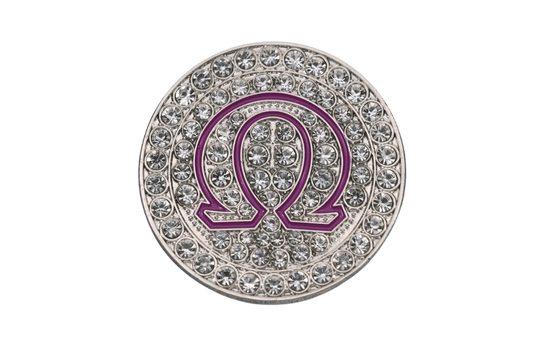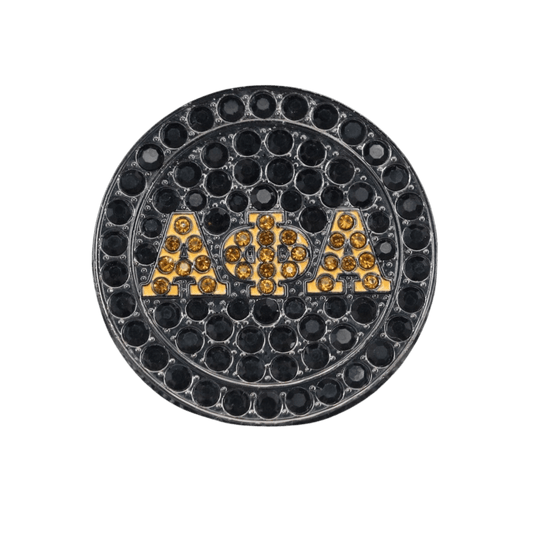

That ring has been through it: probate pics, step shows, cookouts, conferences, Founders' Day, chapter meetings, and every time somebody asked to see the letters up close. So when the finish starts looking dull, scratched, or uneven, a ring replating service can bring the flex back without replacing the piece that already carries your story.
For Greek jewelry, replating is not just about making something shiny again. Your ring may mark your crossing, honor a prophyte, carry a chapter crest, or celebrate 10 years on the line. The right restoration keeps that history intact while making sure your piece is ready to represent at the next function.
What a ring replating service actually does
Many fraternity and sorority rings are made with a durable base metal and finished with a layer of gold, silver-tone rhodium, black rhodium, or another plated color. That outer layer creates the look you fell in love with when the ring was fresh out of the box. Over time, normal wear can thin or wear away that finish, especially around high-contact areas like the palm side of the band, raised letters, edges, and stone settings.
A ring replating service removes surface buildup, evaluates the condition of the ring, polishes it where appropriate, and applies a fresh layer of plating. The goal is to restore an even, intentional finish without changing the design that makes the ring yours.
Replating is different from a quick wipe-down or jewelry cleaner. Cleaning removes oils and residue. Replating renews the metal finish itself. If your gold-tone Que ring has faded to a patchy, pale color, or your black rhodium Kappa piece has bright spots where the dark finish used to be, cleaning alone will not solve it.
Signs your ring is ready for replating
The obvious sign is color loss. Gold plating may look lighter or slightly silvery in spots, while black rhodium can fade unevenly on raised details. Silver-tone finishes can lose their crisp brightness and start looking gray or tired, even after a good cleaning.
Look closely at the band, the corners of your letters, and any design that sits high above the ring face. These spots take the most friction from daily wear, steering wheels, gym equipment, handwashing, and the occasional hard handshake from a line brother who is still bringing probate energy years later.
Scratches alone do not always mean you need replating. Fine surface marks can be part of wearing your ring with pride. But when scratches are paired with visible base metal, patchiness, discoloration, or a finish that no longer matches the front of the ring, it is time to have it assessed.
A loose stone, bent shank, cracked setting, or deep gouge should be addressed before replating. Fresh plating can make a ring look better, but it cannot repair structural damage. A quality service will tell you whether the ring needs restoration work first instead of plating over a problem.
Why timing matters for Greek jewelry
There is no single schedule for replating. A ring worn every day may need attention sooner than an anniversary piece that comes out for chapter events and special occasions. Your skin chemistry, climate, lotion habits, hand sanitizer use, and the original plating thickness all affect how long a finish lasts.
That said, do not wait until the ring looks completely worn through. Catching fading early usually gives the jeweler a cleaner surface to work with and helps preserve the details of your design. Those crisp Omega symbols, ivy leaves, pyramids, doves, sphinxes, canes, poodles, and centaurs deserve a finish that lets every detail show.
Plan ahead around the moments when you know the cameras will be out. If Founders' Day, a milestone gala, your chapter anniversary, Homecoming, or a line reunion is on the calendar, send your ring in with enough time to avoid last-minute stress. Jewelry restoration takes care and inspection. It is not something you want rushed the week of the function.
What replating can and cannot fix
A good replating job can make a well-loved ring look remarkably refreshed. It improves color consistency, boosts shine, and gives engraved or raised details a stronger visual presence. For a piece that has lost its original pop, the difference can be immediate.
Still, replating is not magic. It will not erase deep dents, rebuild missing metal, tighten damaged prongs, or make a heavily worn engraving appear brand-new without additional repair. It also cannot turn a silver-tone ring into a solid gold ring. The value is in renewing the intended finish and extending the life of a piece you already care about.
Be honest about your goals before sending a ring in. If you want your everyday piece to look polished and worthy of the group photo, replating is usually a smart move. If the ring has major damage or you are considering a full redesign, ask about repair options or a replacement piece instead.
Choosing the right ring replating service
Greek jewelry is personal, so do not hand it off to a service that treats it like a generic fashion ring. Look for a jeweler or jewelry brand that understands plated pieces, detailed symbols, stones, engraving, and the difference between restoring a finish and sanding away the character of the design.
Ask what finish will be applied and whether it matches the ring's original color. Yellow gold, white gold-tone, rhodium, black rhodium, and two-tone finishes all require different handling. If your ring has stones, enamel, or a mixed-metal look, make sure the service can work around those details properly.
It also helps to ask what the inspection includes. A reputable provider should check for loose stones, worn prongs, bends, cracks, and other issues that can affect the final result. They should be straight with you if a repair is needed before plating. The best answer is not always the fastest one.
For members who bought from FraternityRings.com, lifetime replating and replacement support means your jewelry has a path back when the finish has seen too much yard time. That matters because org pride is not disposable. Your piece should be built to stay in rotation.
How to make fresh plating last longer
Once your ring comes back looking right, a few habits can help protect the finish. Take it off before lifting weights, swimming, cleaning with chemicals, or doing hands-on work that can scratch the band. Chlorine, harsh cleaners, and abrasive surfaces do not care how clean your letters are.
Wipe the ring with a soft, dry cloth after wearing it, especially if you use hand sanitizer or lotion often. Store it separately from other jewelry when it is not on your hand. Tossing rings together in a drawer is an easy way to collect scratches before the next chapter event.
If you wear your ring daily, consider giving it days off. Keep it on for the office, the meeting, the date night, and the occasion where you want your letters speaking before you do. For chores and heavy activity, let the ring sit one out. That is not hiding your pride. That is protecting the investment.
A refreshed ring is still your story
A replated ring does not erase the memories attached to it. It lets the piece keep showing up for the next set of memories: the new chapter photo, the anniversary banquet, your soror's wedding, your line brother's retirement, or that random cookout where everybody is checking each other's jewelry before the food is even ready.
If the finish has faded but the meaning has not, give the ring the care it deserves. Keep your letters bright, keep your symbols sharp, and let your jewelry look as proud as the membership behind it.