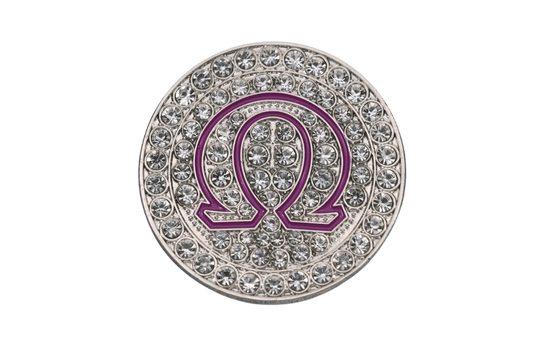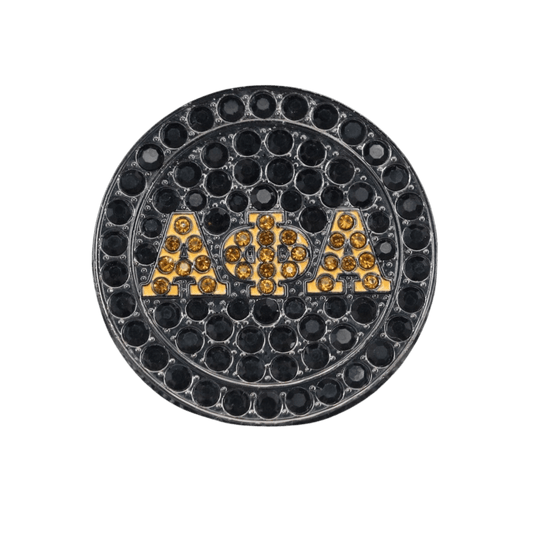

That ring hit different when you first got it. Maybe it was your crossing gift. Maybe it was your first real piece after probate season. Maybe it marked 10 years, 25 years, or life membership. So when it goes missing, gets damaged, or starts looking rough after real wear, the replacement fraternity jewelry process matters more than people think.
This is not just about ordering another accessory and calling it a day. Fraternal jewelry carries weight. Your letters, your symbols, your chapter pride, your line story - that is personal. A good replacement process should respect that, move clearly, and make sure the piece coming back to you still looks worthy of the org on it.
What the replacement fraternity jewelry process should actually cover
A lot of people hear “replacement” and assume it means one fixed option. It usually does not. Sometimes the piece needs a full remake because it was lost or stolen. Sometimes it only needs repair or re-plating because the structure is still solid. Sometimes the original design is available as-is, and sometimes the brand has to recreate details from prior records, old photos, or a custom file.
That is why a real replacement fraternity jewelry process starts with identification. The jeweler needs to know what piece you had, when you bought it, whether it was standard or custom, and what happened to it. A scratched face and a missing pendant are two very different situations. So are a bent ring shank and faded gold over sterling.
For members in orgs with strong visual traditions, details matter even more. A Que piece should still feel like a Que piece. A Nupe design cannot lose the sharpness in the cane-inspired lines. AKA ivy, Delta pyramids, Zeta doves, Sigma symbols, SGRho marks - all of that has to come back correctly, not close enough.
Step one: confirm the original piece
The cleanest replacements happen when there is a past order tied to your name, email, or phone number. That gives the jeweler a record of metal type, finish, size, stone color, engraving, and design specs. If the original was part of a standard collection, that speeds things up. If it was a chapter gift, line gift, or custom build, records matter even more.
If you do not have the original receipt, that does not always kill the process. Photos can help. So can an old order confirmation, a social post, a probate flick, or even a clear picture from founders' day where the piece is visible. The goal is not to make you jump through hoops. The goal is to avoid remaking the wrong item.
This is where a good jewelry partner separates itself from a random seller. They should know how to identify organization-specific elements instead of treating every Greek piece like generic letters on metal.
Step two: figure out whether it is replacement, repair, or re-plating
Not every worn piece needs to be replaced from scratch. Sometimes the smartest move is restoration.
If the structure is good and the finish is the main issue, re-plating may be enough. That works well for pieces that have seen chapter meetings, step shows, cookouts, conferences, and years of regular wear. Gold-tone finishes naturally take a beating over time, especially on rings and bracelets that hit every surface first.
If stones are loose, prongs are bent, clasps are broken, or the ring has gone out of round, repair might make more sense. But if the item is gone, cracked beyond safe wear, or heavily damaged, a full replacement is usually the better call.
That distinction affects price, timeline, and expectations. Re-plating is often faster than a full remake. A custom replacement may take longer if molds or production files need to be pulled or rebuilt.
The replacement fraternity jewelry process for custom pieces
Custom work takes a little more care, because your piece may not match anything in a public catalog. Maybe your chapter added a specific date, shield, line number detail, crossing year, or chapter nickname. Maybe your smaller org had a fully custom crest built from scratch. In those cases, replacement depends on how well the original design was archived.
A strong custom program should keep production records so the piece can be rebuilt without starting from zero. That matters for D9 members and it matters just as much for multicultural Greek orgs, local organizations, Masons, OES members, and religious fraternal groups. Your letters deserve consistency.
There is one trade-off here. If the original file is old, discontinued, or tied to a production method that has changed, the replacement may need small updates. Usually that is not a bad thing. Sometimes it improves durability, stone security, or finish quality. But the jeweler should be upfront if anything about the replacement will differ from the original.
What information you should be ready to provide
The process moves faster when you come in with the basics. That usually includes your original order details if you have them, your ring size or chain length, the metal tone, the organization, and any personalization like chapter, year, line number, or engraving.
If the item was a gift, say that early. Gift pieces often get ordered under a different name, especially for crossing season, anniversaries, or founders' day. One line brother bought it, but another one is now trying to replace it. That is common.
If the piece is damaged rather than lost, clear photos help a lot. Front, side, back, and close-up shots can tell a jeweler whether the item can be restored or needs a remake. That saves time and avoids unnecessary back-and-forth.
Timelines and why they vary
This is where people get impatient, and fair enough. If you wear your ring every day, being without it feels off. But replacement timelines depend on what kind of job this actually is.
A standard item with verified records may move relatively quickly. A re-plating service often has a different timeline from a full custom remake. If a piece needs stone matching, engraving, mold retrieval, or a design update, it can take longer. Busy seasons matter too. Probate season, founders' day runs, holiday gifting, and spring crossing periods can stack up production queues fast.
The right expectation is not “fast no matter what.” It is “clear from the start.” You should know whether your piece is in review, approved for replacement, in production, or out for finishing. Nobody likes silence when they are waiting on something tied to their letters.
Cost, guarantees, and the fine print
Replacement does not always mean free, and brands should be honest about that. Some guarantees cover manufacturing defects. Some cover re-plating for life. Some offer discounted replacement if the item is lost or damaged after normal wear. Those are very different promises.
Read the terms carefully, especially for custom jewelry. Ask whether the guarantee applies to finish, structural issues, stones, engraving, resizing, or complete loss. If shipping and handling are separate, know that upfront too.
A lifetime support promise is valuable, but what makes it real is clarity. If a brand offers lifetime re-plating and replacement support, that should mean there is an actual path when your piece needs attention - not vague language that sounds good until you need help.
Why this process matters in Greek life
A lot of jewelry gets replaced because life is happening at full speed. You wear the ring to chapter. You wear the pendant to the function. You pull up to the anniversary gala in the same bracelet you have had since undergrad. These pieces are not sitting in velvet boxes all year.
That is why the replacement fraternity jewelry process should feel like part of the relationship, not an afterthought. The same brand that hypes you up for a new crossing piece should also be there when that piece needs a second life. That is especially true in fraternal culture, where jewelry is memory, identity, and public pride all at once.
At FraternityRings.com, that support matters because members are not buying random fashion. They are buying symbols they earned, inherited, gifted, and carried through real milestones.
How to make replacement easier before you ever need it
The smartest move is boring but useful - keep your order confirmation, know your ring size, and save one or two clean photos of the piece when it is new. If it has engraving, photograph that too. For chapter or line gifts, ask who placed the order. If it is a custom design, keep the design proof or final approval image.
That small bit of prep can save a lot of trouble later. It turns a stressful “I lost my ring” moment into a more manageable service request.
And if your current piece is only looking worn, do not wait until it is too far gone. A timely re-plate or repair can preserve the piece you already love instead of forcing a full remake.
Your letters are supposed to be seen. If your piece needs to be restored, repaired, or remade, the right process makes sure it comes back looking like it still belongs on your hand, your chain, and your chest.