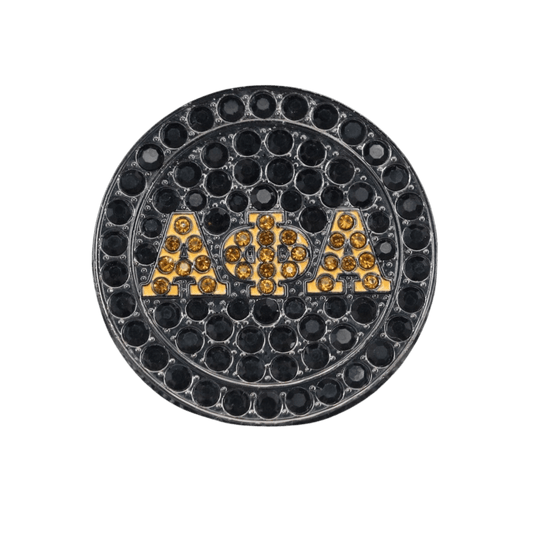

A hard step show will tell the truth about your jewelry fast. Between sharp arm work, floor contact, sweat, travel, quick changes, and that one line brother who hugs like he is trying to crack your ribs, not every piece is built to stay fly. If you are asking what jewelry lasts through stepping, look beyond the shine. The right answer is durable metal, secure construction, and a design that reps your letters without getting in the way of the set.
Your jewelry should survive the yard and still look right when it is time for pictures after the show. That does not mean you need to wear every piece you own while stepping. It means choosing smart when you do.
What Jewelry Lasts Through Stepping Best?
The strongest choices for active wear are stainless steel, solid gold, and well-made sterling silver with a protective finish. Each has a different price point and personality, but all can hold up far better than thin costume jewelry, mystery-metal chains, or plated pieces with weak clasps.
Stainless steel is the workhorse. It is resistant to rust, hard to bend, and less likely to lose its color after a few sweaty practices. A stainless steel pendant or ring is a smart choice for neos who want a bold everyday piece that can handle rehearsals, stroll practice, campus life, and the cookout afterward.
Solid gold is a legacy choice. It will not tarnish like silver, and it carries the weight you want in an anniversary ring, a life member piece, or a crossing gift meant to stay in the family. The trade-off is that gold is softer than steel. A heavy solid-gold ring can take regular wear, but it can still scratch or dent if it catches a hard surface. Save your most detailed or sentimental gold piece for the probate, gala, founders' day, and pictures if the show is especially intense.
Sterling silver brings that bright, clean presence without putting solid-gold money on the line. It can tarnish over time, especially around sweat, moisture, lotion, and fragrance, but tarnish is not the same as permanent damage. With regular cleaning and proper storage, a quality sterling piece can remain part of your rotation for years.
Gold vermeil and heavy gold plating can work for lighter activity, but they need more care. Repeated friction from chains, rings hitting railings, or a pendant bouncing against a shirt can wear down the finish. If your line is about to hit a full performance schedule, keep plated jewelry as the after-show flex rather than your practice uniform.
Durability Is More Than the Metal
A strong metal cannot save weak construction. Before a piece earns a spot at a step show, check the parts that actually take the stress: the clasp, jump rings, bail, stone settings, and band thickness.
For chains, a lobster clasp is generally a better bet than a tiny spring ring clasp. The connection between the chain and pendant matters too. A pendant with a thick, closed bail is less likely to pull open than one hanging from a thin open ring. If your pendant has a large Omega, ivy, dove, pyramid, centaur, cane, or crest, make sure the chain is substantial enough for its weight. A heavy pendant on a skinny chain is asking for trouble before the first eight-count.
For rings, low-profile designs are your friend. A broad, solid band with recessed details is usually more practical than a tall setting with raised stones. That does not mean stones are off limits. It means a ring with a secure bezel setting or protected inset stones will hold up better than one with high prongs that can catch on clothing, gloves, or another member during formation changes.
Engraving, raised symbols, and deep-cut letter work can all be durable when they are part of a solid piece. Thin hollow jewelry is where things get risky. It may look large and impressive online, but hollow construction can crush, bend, or split under impact. For a piece you plan to wear often, a little weight is usually a good sign.
The Best Jewelry Choices for the Step Team
A low-profile ring is the easiest piece to wear through a show, provided your team and chapter rules allow it. Choose a smooth band, signet-style ring, or engraved ring that does not have sharp edges. A clean fraternity or sorority ring can rep your organization without pulling focus from the formation.
Short chains with flat pendants are another strong option. Keep the chain close to the neck so it does not swing wildly with every hit. A smaller pendant sits better under a shirt and is less likely to become a distraction. If you want your letters front and center for the entrance or exit, put the chain on after the performance instead of risking a broken clasp mid-set.
Stud earrings can be practical for members who wear earrings, but only if they are secure and permitted. Avoid hoops, long drops, or anything that can catch. The same rule applies to bracelets. A solid cuff may survive, but it can shift, pinch, or interfere with wrist movement. Most of the time, bracelets are better for the pictures, not the performance.
Watches are a separate conversation. A tough metal watch may physically last, but it can get in the way, get scratched, or create a safety issue depending on choreography. When the line is stepping hard, less is often more. One meaningful piece worn well hits harder than five pieces fighting for attention.
When to Take the Jewelry Off
Real talk: the jewelry that lasts the longest through stepping is sometimes the jewelry you do not step in at all. If the routine includes floor work, lifts, fast partner transitions, jackets, gloves, or tight formations, take off anything that can snag, strike somebody, or get stepped on. Respect your coach, step captain, venue rules, and your line's decisions before choosing the fit.
That is especially true for heirloom rings, expensive stones, oversized medallions, and pieces connected to a major milestone. Your 25-year anniversary ring does not need to prove it can survive concrete. Let it shine at the reception.
A smart move is building two rotations: a performance rotation with sturdy, low-profile pieces and a celebration rotation for the walk-in, probate, pictures, and afterparty. You still get the full org flex without turning a meaningful piece into a casualty of the set.
Keep Your Pieces Ready for the Next Show
Sweat is not always the enemy, but leaving sweat on jewelry for days definitely is. After practice or a show, wipe your pieces with a soft, dry cloth before putting them away. Take chains off before showering, swimming, or applying lotion and cologne. Those small habits make a visible difference, especially with sterling silver and plated finishes.
Store each piece separately when possible. Rings banging against pendants and chains tangling together creates avoidable scratches. If a clasp starts feeling loose, a stone shifts, or plating begins to fade, handle it early. Waiting until the night before a big chapter event is how a small repair turns into a whole group chat emergency.
FraternityRings.com offers lifetime replacement and re-plating support because org jewelry is not supposed to be disposable. Your letters have history. The piece carrying them should be made to stay in the rotation.
Wear the Piece That Matches the Moment
Stepping is precision, pride, and presence. Your jewelry should add to that energy, not make you worry about a broken chain halfway through the routine. Choose solid construction, keep the profile clean, and know when to save the big statement piece for after the final stomp.
When the line is locked in and the crowd starts reacting before the set is even over, your letters will speak loud enough. The jewelry is there to make sure they look just as good when the cameras come out.