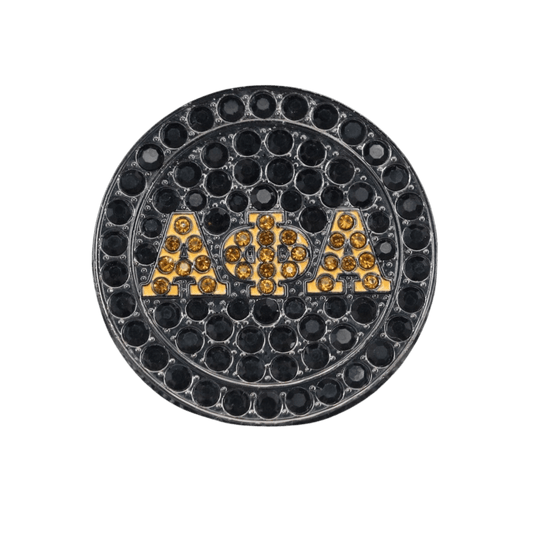

That ring looked perfect when you first put it on - sharp letters, clean shine, every detail hitting the way it should. Then life happened. Step shows, cookouts, chapter meetings, hand sanitizer, lotion, sweat, cologne, dish soap, gym sessions, all of it starts building up fast. If you're wondering how to clean fraternity rings without dulling the finish or messing up the stones, the good news is you do not need anything complicated. You just need the right method for the metal that's actually on your hand.
A fraternity ring is not some throwaway accessory. It carries your letters, your crossing story, your line, your chapter pride, and sometimes a whole milestone behind it. So cleaning it should be less about scrubbing hard and more about protecting the details that make the piece yours.
How to Clean Fraternity Rings Without Damaging Them
The safest way to clean most fraternity rings starts simple: warm water, a few drops of mild dish soap, and a soft toothbrush or baby brush. Let the ring sit in the soapy water for a few minutes so the buildup loosens up. Then brush gently around the letters, inside the grooves, under the setting, and along the sides where lotion and skin oils love to hide.
After that, rinse it with clean lukewarm water and dry it with a soft microfiber or lint-free cloth. That alone handles most everyday grime. If your ring just looks cloudy from normal wear, this method is usually enough to bring it back.
The part that gets people in trouble is going too hard. A lot of folks think more pressure means more shine. It usually means more wear. If your ring has blackened details, enamel, plating, custom textures, or stones, aggressive scrubbing can strip the character right off the piece.
Know What Your Ring Is Made Of
Before you try any cleaner from under the sink, pause. How to clean fraternity rings depends on whether your ring is solid sterling silver, stainless steel, gold-plated, rhodium-plated, or set with stones.
Sterling silver can tarnish over time, especially if you wear it daily or store it in humid spaces. Soap and water work for routine cleaning, but if tarnish has set in, you may need a silver polishing cloth. Even then, go easy around oxidized or darkened recessed areas. Those shadows are often part of the design, not dirt.
Gold-plated or rhodium-plated rings need the gentlest touch. The shine comes from the outer layer, and once that plating wears down, no amount of home cleaning will put it back. Skip abrasive pastes, rough brushes, baking soda scrubs, and harsh jewelry dips. They can age a plated ring fast.
Stainless steel is tougher and lower maintenance. It usually handles soap, water, and a soft brush well, which is one reason a lot of members like it for everyday wear. But tougher does not mean indestructible. Scratches still happen, especially if you start experimenting with gritty homemade cleaners.
If your ring has stones, be extra careful around the setting. Moisture and residue can collect underneath, but too much pressure can loosen the stone over time. A gentle brush around the setting is enough. No need to attack it like you are cleaning sneakers after homecoming.
What Not to Use on a Fraternity Ring
A quick shine is tempting, especially before Founders' Day, a probate, or an anniversary gala. But some of the most common internet tips are exactly what can shorten the life of your ring.
Toothpaste is a big one. It sounds harmless, but most toothpaste is abrasive enough to leave fine scratches on metal and plated finishes. Baking soda can do the same. Bleach, ammonia-based cleaners, and random household sprays are out too. They can discolor metal, weaken settings, and damage enamel or coatings.
Ultrasonic cleaners sound impressive, but they are not automatically safe for every ring. If your piece has delicate stones, glued elements, enamel, or any plating, that vibration can do more harm than good. The same goes for commercial jewelry dips. Some work well on certain metals, but on the wrong finish they can leave your ring looking worse than when you started.
If you do not know the exact material or finish, stick with the mild soap-and-water method first. It is not flashy, but it is the safest move.
How to Clean Fraternity Rings After Heavy Wear
Some days your ring just catches regular dust. Other days it goes through a whole yard marathon - heat, sweat, lotion, food, drinks, and whatever else came with the function. After heavy wear, clean it sooner rather than later.
Sweat and product buildup sit in the small engraved spaces and under the bezel. If you leave that grime there for weeks, your ring can start looking dull even if the metal itself is fine. The fix is still simple. Soak it briefly in warm soapy water, brush gently, rinse well, and dry it completely before storing or wearing it again.
Drying matters more than people think. If water hangs around in the details, especially on silver pieces, it can leave spotting or encourage tarnish faster. Pat it dry, then let it air dry on a soft cloth for a few extra minutes before putting it back on.
Keeping the Shine Between Cleanings
The best ring care is not deep cleaning every week. It is cutting down on what the ring has to survive.
Take it off before lifting weights, cleaning with chemicals, swimming, or putting on heavy lotion. Hand sanitizer is a sneaky one. A quick pump here and there will not destroy your ring, but repeated exposure can leave residue and wear on some finishes over time. If you are applying cologne, body oil, or grooming products, let those settle before putting your ring back on.
Storage also makes a difference. Tossing your ring into a drawer with keys, coins, and cufflinks is asking for scratches. Keep it in a soft pouch or lined jewelry box when you are not wearing it. If you own more than one ring - maybe your everyday piece and your dressed-up anniversary flex - store them separately so they do not rub against each other.
A microfiber cloth can be your best habit. Wipe the ring down after wearing it, especially after long days or events. That thirty-second move keeps oils from settling in and helps your next full cleaning go a lot smoother.
When Your Ring Needs More Than a Home Cleaning
Sometimes the ring is clean, but the finish still looks tired. That usually means the issue is not dirt. It is wear.
Plated rings can fade over time, especially if they are in heavy rotation. Silver can tarnish beyond what a light wipe will fix. Stones can loosen. Deep scratches and worn edges are not cleaning problems either. They are maintenance problems.
That is when professional re-plating, refinishing, or repair makes sense. A good ring is meant to be worn, and wear is part of the story, but that does not mean you have to settle for a piece looking washed out forever. If your ring is a long-term symbol for your org and your journey, giving it proper service is worth it.
This is one reason a lot of members appreciate brands that offer long-term support after the sale. FraternityRings.com, for example, backs pieces with lifetime replacement and re-plating support, which matters when your ring is not just jewelry for one night but part of how you show up year after year.
A Realistic Cleaning Routine That Works
You do not need a whole jewelry lab at home. For most members, a smart routine looks like this: wipe the ring down after heavy wear, do a gentle soap-and-water cleaning when it starts looking cloudy, and pay attention to signs that the finish needs professional help.
If you wear your ring every day, once or twice a month is usually enough for a proper cleaning. If you only break it out for chapter events, church, conferences, Founders' Day, or special occasions, clean it before and after those moments rather than letting residue sit.
There is a balance here. Clean it enough to protect the shine, but do not overwork the piece trying to make it look brand new every weekend. A little care keeps the letters crisp, the details visible, and the whole ring looking like it still deserves a close-up when somebody grabs your hand and says, "Let me see that."
Your fraternity ring is supposed to be seen. It should catch light at the cookout, hold its own at the gala, and still look right when your neos ask where you got it. Treat it with a little respect, clean it with some sense, and it will keep repping your letters the way it should.