
D9 buyer’s guide · Verified September 16, 2026
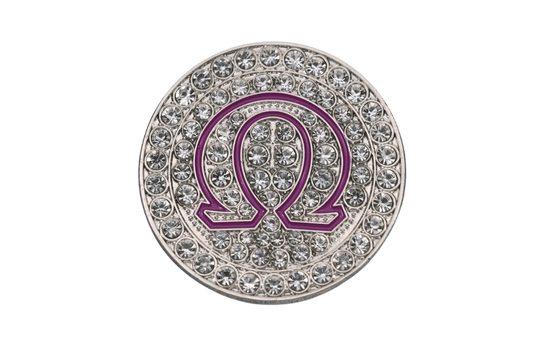
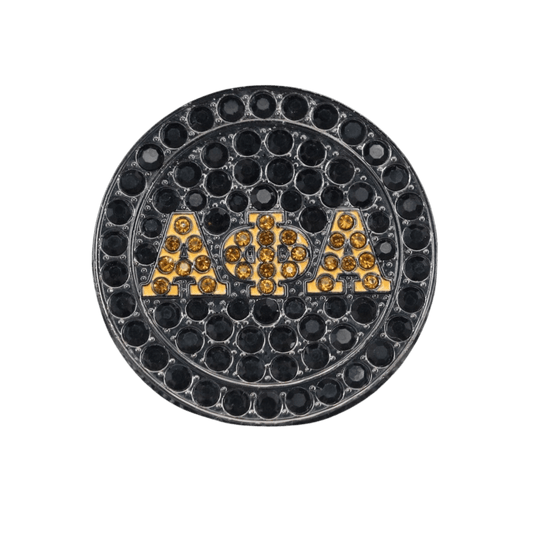
The letters on Divine Nine jewelry are not generic decoration. They are protected organizational marks. Before you spend money on a ring, pendant or pin, here is how to verify that “officially licensed” means something real.

What “officially licensed” actually means
At its core, a license is authorization to use protected names, letters, symbols or other marks under stated conditions. Those conditions can include design approval, product standards, reporting, fees, royalties and renewals. The details are not identical across the Divine Nine because each organization controls its own intellectual property and chooses how its licensing program is administered.
Some organizations work directly with vendors. Others use a licensing administrator. Affinity Licensing, for example, says it maintains a searchable marketplace of licensed vendors and products and manages licensing for more than 100 trademark owners. Its public Greek-client list includes Iota Phi Theta, Phi Beta Sigma and Sigma Gamma Rho, among many other organizations. That does not mean every D9 organization uses the same administrator.
The practical lesson is simple: do not stop at “licensed.” Ask, “Licensed by whom, for which organization, and for what kind of product?”
Seven ways to verify before you buy
1Name the organization
A seller’s authorization for one fraternity or sorority does not automatically extend to another. Check the organization named on the product, not just the store’s general claims.
2Check a current vendor record
Start with an organization-maintained vendor directory or the licensing administrator it designates. Search the seller’s exact legal or business name; a similar social handle is not enough.
3Confirm the product scope
When a directory or license record lists product categories, make sure jewelry is included. Authorization may be limited by organization, category, design, territory or term.
4Read the listing precisely
“Greek-inspired,” “D9 style” and “made for members” are marketing phrases. They do not, by themselves, establish permission to use protected marks.
5Ask for documentation
Not every organization publishes a public directory. A reputable seller should be willing to explain whether the relationship is direct or administrator-managed and point you to current documentation when available.
6Check the business behind the product
Look for a real contact method, clear returns and shipping terms, a usable receipt and consistent business identification. Licensing and customer service are different issues, but transparency makes both easier to verify.
7Recheck before a major purchase
Licensing relationships can change. A dated certificate or old screenshot may document a past period without proving present authorization. Current records and the terms covering the specific product control.
What a license does—and does not—tell you
A current license tells you that protected marks are being used through an applicable authorization. It may also require approvals, reporting, fees or royalties. That matters because the organization—not the seller—owns the identity being represented.
But licensing is not a blanket promise about every other purchase question. You should still review metal disclosures, plating or solid-metal language, stone descriptions, personalization limits, production time, warranty terms, sizing and return rules. A licensed design can still be the wrong size, finish or budget for you.
How FraternityRings documents its licensing
FraternityRings maintains a public Official Licensing page explaining its direct and administrator-managed relationships. The page links available license documents and public approved-vendor records, and it explicitly notes that arrangements vary by organization and can change.
That transparency is the model buyers should expect: name the licensing path, make records available when possible, and avoid pretending that one agreement covers every organization or every product forever.
Want to compare licensed designs?
Review the licensing records first, then browse the live Official Series collection. Product availability and authorization can vary.
Review licensesBrowse Official SeriesFAQ
Does a vendor need one license for all Divine Nine organizations?
No. Licensing is organization-specific. A vendor may be authorized for one organization and not another, or may have different terms and product categories for each.
Is an “official” seal enough proof?
A seal can be useful, but treat it as a starting point. Verify the seller in the organization’s or administrator’s current records when a public directory is available.
What if there is no public vendor directory?
Ask the seller how the license is administered and request current documentation or a contact path for verification. Some organizations provide records directly to vendors rather than maintaining a public directory.
Does licensed merchandise send money back to the organization?
Many licensing agreements include fees or royalties, but the amount, reporting method and payment schedule vary. Do not assume identical terms across organizations.
Does FraternityRings claim every product is licensed?
FraternityRings states that products bearing protected organizational marks must be covered by the applicable authorization and that the individual product and current agreement control. Buyers can review the public licensing page or ask about a specific product.
Verified sources
- Affinity Licensing: licensed-product and vendor search
- Affinity Licensing: Greek clients
- Affinity Licensing: administration and reporting overview
- FraternityRings: current license records and explanations
Independent editorial disclosure: FraternityRings publishes this educational guide and also sells licensed jewelry. The article does not speak for, represent or imply endorsement by the National Pan-Hellenic Council or any Divine Nine organization. Licensing status can change; verify current authorization for the specific seller, organization and product before purchasing.