
Why Were Five Divine Nine Organizations Founded at Howard University?
One university. Five historic organizations. More than a century of influence.
Howard University is the birthplace of Alpha Kappa Alpha Sorority, Omega Psi Phi Fraternity, Delta Sigma Theta Sorority, Phi Beta Sigma Fraternity and Zeta Phi Beta Sorority.
That means more than half of the organizations now collectively known as the Divine Nine began on the same HBCU campus in Washington, D.C.
Howard’s importance does not end there. The National Pan-Hellenic Council—the coordinating body connecting all nine organizations—was also founded at Howard University in 1930.
So why did Howard become such an important center of Black Greek life?
There is no single explanation. The answer can be found in Howard’s place within Black higher education, the barriers African American students faced during the early 20th century and the determination of students to build permanent institutions of scholarship, service and mutual support.
The Five Howard University Organizations
| Organization | Founding date | Founding location |
|---|---|---|
| Alpha Kappa Alpha Sorority, Incorporated | January 15, 1908 | Howard University |
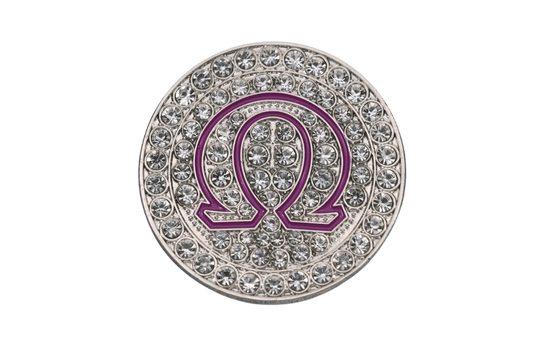
| Omega Psi Phi Fraternity, Incorporated | November 17, 1911 | Howard University |
| Delta Sigma Theta Sorority, Incorporated | January 13, 1913 | Howard University |
| Phi Beta Sigma Fraternity, Incorporated | January 9, 1914 | Howard University |
| Zeta Phi Beta Sorority, Incorporated | January 16, 1920 | Howard University |
Howard University confirms that these five organizations were established on its campus between 1908 and 1920. In 2024, the university reported that they collectively represented more than 1.2 million members across approximately 4,200 chapters worldwide. Howard documents this history in its feature on The Yard.
Howard Was Already a Center of Black Higher Education
Howard University was founded in Washington, D.C., in 1867, only two years after the end of the Civil War.
Unlike many institutions of the era, Howard was established as a full university with multiple areas of study. It developed programs in subjects including liberal arts, medicine, law and other professional fields.
By the beginning of the 20th century, Howard was attracting ambitious Black students from different parts of the country. Its location in the nation’s capital also placed students close to government, national political movements and a growing community of Black educators, lawyers, physicians and public servants.
This produced the conditions for students to create organizations intended to survive well beyond their college years.
The purpose was not simply to organize social events. These students wanted communities that could encourage scholarship, build leadership, create lasting bonds and respond to the problems affecting Black Americans.
Black Students Were Building What Other Institutions Denied Them
The Divine Nine emerged during an era of legal segregation, racial violence and widespread discrimination.
Black students were frequently excluded from white fraternities, sororities and other campus organizations. Even those attending predominantly white universities often experienced social isolation and open racial hostility.
According to the National Pan-Hellenic Council, historically Black fraternities and sororities developed as spaces where students could support one another academically, socially and culturally while building leadership skills and serving their communities. Their foundational priorities included scholarship, service, leadership, cultural uplift and community advocacy. The NPHC explains this historical context in its official history.
At Howard, Black students were not waiting to be admitted into someone else’s tradition. They were creating organizations designed around their own experiences, ambitions and responsibilities.
Alpha Kappa Alpha Began the Howard Legacy in 1908
Alpha Kappa Alpha Sorority, Incorporated was founded at Howard University’s Miner Hall on January 15, 1908.
Led by Ethel Hedgemon Lyle, nine Howard students formed an organization intended to promote high academic and ethical standards, friendship among college women and service addressing issues affecting women and girls.
AKA became the oldest Greek-letter organization founded by African American college-educated women.
The historical context makes its founding especially significant. Alpha Kappa Alpha’s official history notes that its founders were among fewer than 1,000 Black students enrolled in American higher education in 1908. AKA provides its founding history and original mission here.
These women were a small part of the national college population, but the organization they established would grow far beyond the Howard campus.
Omega Psi Phi Became the First Fraternity Founded at an HBCU
Omega Psi Phi Fraternity, Incorporated was founded at Howard on November 17, 1911.
Its founders were Howard undergraduates Edgar Amos Love, Oscar James Cooper and Frank Coleman, together with faculty adviser and biology professor Ernest Everett Just.
Their first meeting took place inside Howard’s Science Building, later renamed Thirkield Hall. Omega adopted Manhood, Scholarship, Perseverance and Uplift as its cardinal principles.
Omega Psi Phi identifies itself as the first international fraternal organization founded on the campus of a historically Black college. The fraternity’s official history documents the location, founders and founding principles.
This was an important development. Black Greek-letter life had already begun at Cornell University with Alpha Phi Alpha, but Omega demonstrated that an organization founded directly within an HBCU could grow into a national and eventually international institution.
Delta Sigma Theta Was Founded for Service and Social Action
Twenty-two Howard University women founded Delta Sigma Theta Sorority, Incorporated on January 13, 1913.
The organization developed around sisterhood, scholarship, service and social action. Its founders quickly demonstrated that their new sorority would participate in public life.
In March 1913, members joined the collegiate section of the Woman Suffrage Procession in Washington, D.C. Their participation connected the young organization to a larger struggle over voting rights and the political position of Black women in America.
Howard describes its campus as the incubator where the 22 founders created an organization centered on service, sisterhood, scholarship and social action. Howard revisited that history ahead of Delta Sigma Theta’s 2025 national convention.
Phi Beta Sigma Connected Brotherhood With Service
Phi Beta Sigma Fraternity, Incorporated was founded at Howard University on January 9, 1914.
Its three founders were A. Langston Taylor, Leonard F. Morse and Charles I. Brown. They envisioned an organization built around Brotherhood, Scholarship and Service.
The fraternity’s motto, “Culture for Service and Service for Humanity,” reflected an important idea within Black Greek life: education and fellowship were not intended to benefit members alone. They were also supposed to produce work that improved the wider community.
The founders’ backgrounds reflected Howard’s national reach. They brought different academic, religious and professional interests together within a single organization that could expand to other campuses and communities.
Phi Beta Sigma’s official history records the lives and contributions of its three founders.
Zeta Phi Beta Completed Howard’s Five in 1920
Zeta Phi Beta Sorority, Incorporated was founded at Howard on January 16, 1920, by Arizona Cleaver Stemons, Pearl Anna Neal, Myrtle Tyler Faithful, Viola Tyler Goings and Fannie Pettie Watts.
The founders envisioned an organization that would promote scholarship, service, sisterhood and positive social change.
Zeta’s formation occurred during a period of major cultural and political transformation. The Harlem Renaissance was developing, the 19th Amendment was nearing final ratification and Black communities continued to confront racial violence and discrimination.
Zeta Phi Beta later became constitutionally bound to Phi Beta Sigma, creating a formal relationship between the two Howard-founded organizations. Its official history states that members of both organizations have collaborated on service projects and national, regional and local activities. Zeta Phi Beta details this relationship in its official history.
Howard Also Became the Birthplace of the NPHC
The organizations did not originally begin as one unified group.
As Black fraternities and sororities expanded, a need developed for greater communication and cooperation. On May 10, 1930, representatives gathered at Howard University to establish the National Pan-Hellenic Council.
The NPHC was created to provide a collective voice, encourage cooperation and coordinate the work of historically Black Greek-letter organizations. Additional organizations joined over time, producing the group now popularly known as the Divine Nine.
Howard had therefore become more than the birthplace of five individual organizations. It became the location where Black Greek-letter organizations took a major step toward formal collaboration.
Where Were the Other Four Divine Nine Organizations Founded?
The complete Divine Nine represents several different institutional experiences.
- Alpha Phi Alpha Fraternity, Incorporated was founded on December 4, 1906, at Cornell University. Its founders initially formed a study and support group while facing racial prejudice and isolation.
- Kappa Alpha Psi Fraternity, Incorporated was founded on January 5, 1911, at Indiana University Bloomington.
- Sigma Gamma Rho Sorority, Incorporated was organized on November 12, 1922, in Indianapolis and established at Butler University. It is the only NPHC sorority founded at a predominantly white institution.
- Iota Phi Theta Fraternity, Incorporated was founded on September 19, 1963, at Morgan State College, now Morgan State University.
This distinction matters: the Divine Nine is deeply connected to HBCU culture, but not every member organization was founded at an HBCU.
Their founders did, however, respond to many of the same challenges—racial exclusion, limited support systems and the need to develop Black leadership, scholarship and organized service.
A Legacy Larger Than Greek Letters
The five organizations founded at Howard did not become influential simply because they shared a campus.
Their founders built structures that allowed their ideas to travel. Chapters expanded to other universities. Graduate chapters allowed members to continue serving after college. National programs transformed campus organizations into lifelong networks.
Howard University reported that the five organizations born on its campus now collectively include more than one million members. Their histories are visible in education, civil rights, politics, business, public health and community service.
That is why Howard’s place in Divine Nine history is so significant.
The Yard was not merely where five sets of Greek letters first appeared. It was where generations of Black students transformed fellowship into institutions—and institutions into a worldwide legacy.