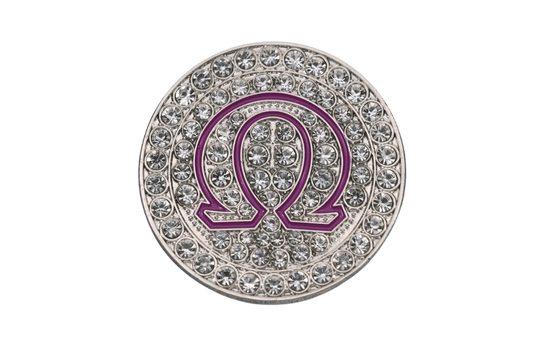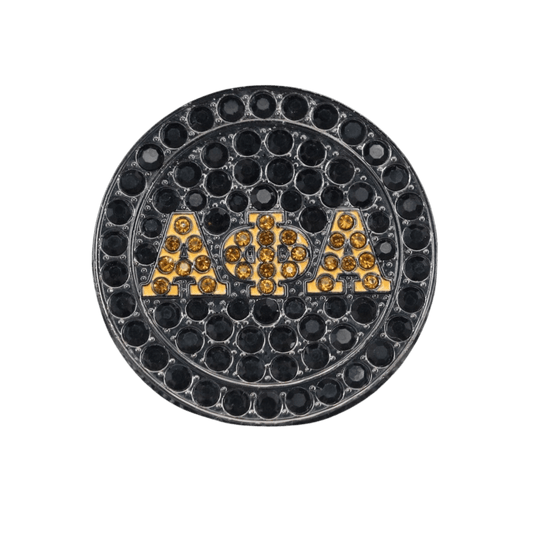

If you've ever tried to get custom jewelry made for your org, chapter, or council, you already know where the conversation usually goes sideways. The design starts strong, everybody is excited, then somebody says there's a 50-piece minimum and the whole thing gets real quiet. That's exactly why a no minimum greek jewelry program matters - it gives organizations a way to build custom rings, pendants, pins, and accessories without needing a massive headcount or a chapter budget built for a convention.
For smaller orgs, newer orgs, local chapters, and multicultural Greek groups, that kind of flexibility is not a nice extra. It's the difference between getting your letters represented properly or settling for generic pieces that don't feel like your culture, your history, or your people.
What a no minimum greek jewelry program actually means
At the simplest level, it means you can create organization-specific jewelry without being forced into a bulk order just to get started. That could mean a custom ring for one member, a pendant run for a line anniversary, lapel pins for chapter leadership, or a small set of gifts for neos after crossing.
But the real value is deeper than quantity. A true no minimum greek jewelry program is not just somebody letting you order one item. It means the brand is set up to work from your letters, crest, symbols, colors, and traditions without treating your organization like an afterthought because you don't have D9-sized volume.
That's a big deal. Your letters deserve the same craftsmanship, attention, and pride whether your org has 300,000 members or 300.
Why minimums have always been a problem
Traditional custom manufacturing loves volume because volume makes production predictable. One mold, one setup, one big order, done. From the vendor side, that makes sense. From the chapter side, it can be a headache.
Greek life doesn't always move in giant, uniform buying groups. One chapter may want probate gifts this semester, while another wants anniversary pieces next spring. A graduate chapter may want polished, ceremonial rings for founders' day. Undergrads may want bold pendants they can rock at the yard show, the cookout, or homecoming. A line might agree on the symbol but not the exact style. That's real life.
When a vendor requires high minimums, somebody usually gets squeezed. Either members pay upfront for inventory they haven't sold yet, chapter leaders become unpaid order managers, or the design gets watered down to fit a safe template. None of that feels good, especially when the piece is supposed to carry real meaning.
Who benefits most from a no minimum greek jewelry program
The obvious answer is smaller and mid-size organizations, but they're not the only ones. A no minimum greek jewelry program also makes sense for established fraternities and sororities when the need is specific instead of broad.
A chapter planning a 10-year anniversary drop may not need 100 pieces. A set of line brothers may want a custom pendant tied to their line name. A soror ordering a gift for her prophyte may want something personal, not something pulled from a generic catalog. Life members may want a ring upgrade that reflects years of service, chapter legacy, or a milestone birthday.
It also helps groups that have pride and identity but don't always get much attention from mainstream jewelry vendors. That includes local fraternities and sororities, NMGC groups, NALFO organizations, NAPA orgs, military fraternal communities, Masonic bodies, OES chapters, and faith-based fraternal organizations. The need is the same across all of them - jewelry that looks official, feels earned, and respects the symbols.
What to expect from the custom process
If the program is built right, the process should feel direct, not confusing. Usually it starts with your organization sharing the core visual elements - letters, crest, mascot, shield, chapter mark, founding year, motto, or signature symbols. From there, the design gets shaped into something wearable, not just something copied from a flyer or old chapter graphic.
That last part matters more than people think. Not every crest turns cleanly into a ring top. Not every chapter symbol works at pendant scale. Good custom design means knowing how to preserve the identity while making the piece actually look sharp in metal.
You also want clarity around finish, stone colors, engraving, and size options. A bold ring for a probate flex may call for a different look than a more understated founders' day piece. One isn't better than the other. It depends on who the piece is for and where it's going to be worn.
The trade-off nobody should hide
No minimum sounds great, and it is, but there's a trade-off. When you're not spreading setup costs across a large bulk order, the price per piece can be higher than a massive group run. That's normal. Anybody pretending otherwise is selling a fantasy.
Still, higher per-piece pricing doesn't always mean worse value. In a lot of cases, a no-minimum model actually saves money because you're not stuck ordering extra inventory that sits in somebody's trunk, chapter closet, or group chat for two years. You're paying for precision instead of waste.
There can also be longer development time on a custom-first program, especially if approvals are coming from multiple chapter leaders or national stakeholders. That's not a red flag by itself. It just means the piece is being built with intention. If you're planning around probate season, founders' day, or an anniversary weekend, start early.
What good custom Greek jewelry should never feel like
It should never feel generic.
Your jewelry should not look like somebody changed two letters on the same stock design and called it custom. If your organization has specific symbols, those details should show up with care. If your chapter culture leans clean and classic, the piece should respect that. If your people like to come outside shining, that energy should show too.
The best pieces hit that balance between org heritage and wearable design. They look good in the photos, yes, but they also hold meaning in person. That's what makes somebody wear a ring to chapter meeting, to the anniversary banquet, to a regional conference, and then pass it down as part of their story.
How to tell if a program is really for your org
A lot of brands will say they do custom work. Fewer actually understand Greek culture well enough to do it right.
You can usually tell pretty quickly by the questions they ask. Do they understand the difference between a chapter piece and an organization-wide piece? Do they know that probate gifts, crossing gifts, founders' day pieces, and life member jewelry all carry different weight? Can they design with respect for symbols instead of just decorating around them?
This is especially important for orgs outside the biggest national names. If a company only knows how to sell the most obvious mainstream styles, your piece may end up looking like an imitation of somebody else's tradition. A real partner knows how to build around your identity, not force you into a prebuilt mold.
That's one reason a strong custom partner matters. At FraternityRings.com, the idea is simple - your letters deserve the same craftsmanship as the D9, even if your order starts with one piece instead of fifty.
When a no minimum greek jewelry program makes the most sense
This kind of program works best when meaning matters more than volume. If you're launching a national merchandise rollout and already know hundreds of members want the same item, bulk production may be the smarter move. But if you're creating jewelry for a specific chapter, milestone, line, or community moment, no minimum gives you room to be intentional.
It also makes sense when your organization is still defining its merch culture. Maybe your chapter has never offered custom jewelry before. Maybe your sorors want to test one pendant style before building out a full collection. Maybe your line brothers want to start with rings, then add cuff links or lapel pins later. A no-minimum model lets you build in phases instead of betting everything on one giant order.
And honestly, that lower pressure changes the whole experience. People make better design decisions when they're not panicking over whether they can move 75 units by next month.
The bigger picture
Greek jewelry is never just jewelry. It's memory, identity, chapter pride, and earned visibility. It's what you put on when the occasion calls for presence. It's what your neos remember, what your prophytes appreciate, and what your line brothers or sorors spot across the room before anybody says a word.
A no minimum program respects that reality. It says your organization doesn't need to hit some arbitrary sales number before it gets something made with care. It says your symbols are worth the work, whether the order is for one ring or a full chapter collection.
If your org has been waiting because the numbers never made sense, that's your sign to stop waiting. Start with the piece that fits the moment, get the details right, and let the collection grow from there.