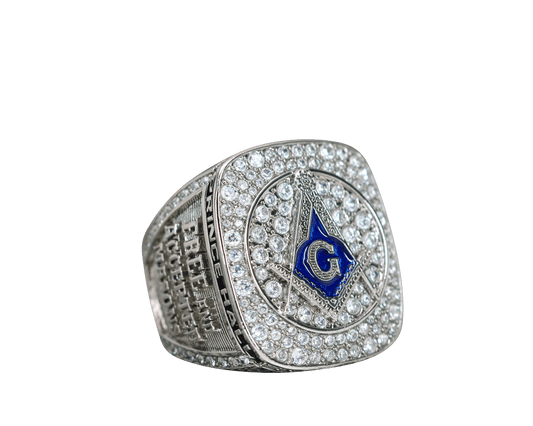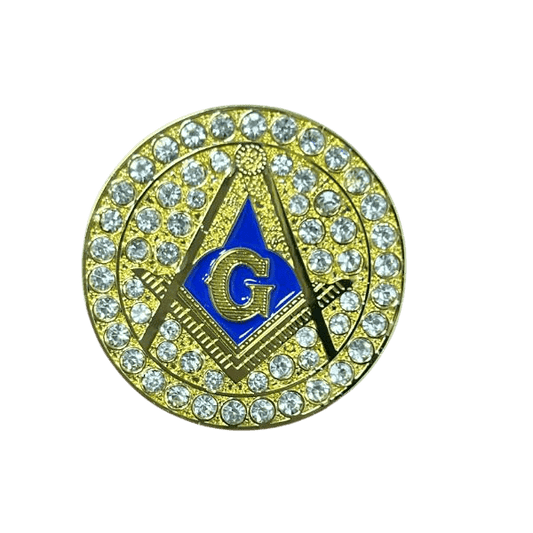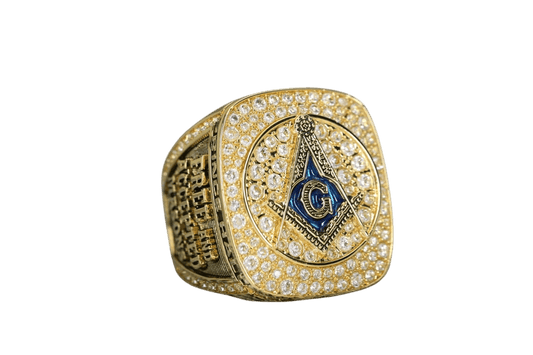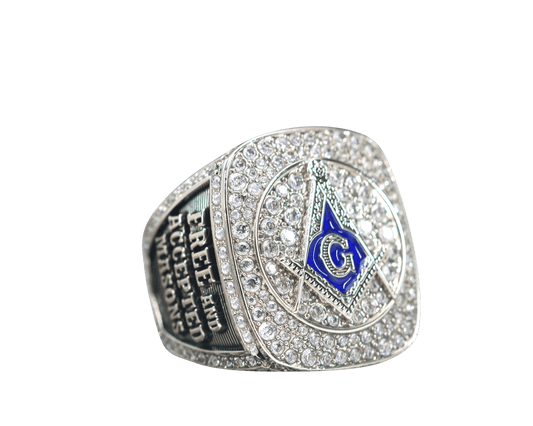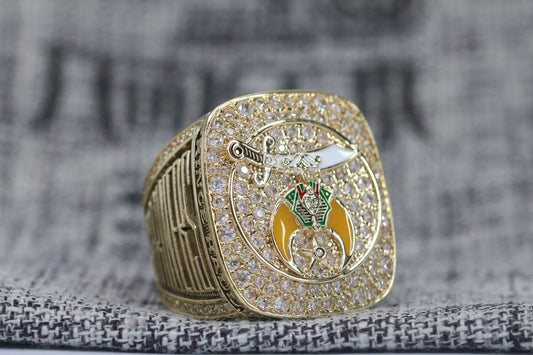

A Masonic ring is not the kind of piece you grab on impulse and forget by next season. It carries weight - personal, symbolic, and often generational. That is exactly why a real masonic ring buying guide should help you do more than pick a design that looks good in a product photo. It should help you choose a ring that feels right on your hand, fits your lodge life, and still makes sense years from now.
What a Masonic ring should do for you
Some brothers want a ring that reads clean and classic at lodge, church, and work. Others want a stronger statement piece with bold shoulders, deeper engraving, and enough presence to turn heads when they shake hands. Neither approach is more "correct." The right ring depends on how you wear your affiliation.
A good ring should do three things well. First, it should represent the Square and Compasses with respect. Second, it should fit your everyday life, whether you wear jewelry daily or only for meetings, degree work, banquets, and milestone events. Third, it should feel like your piece, not a generic emblem dropped onto a standard band.
That last part matters more than people think. A ring can be traditional without looking flat. Details like the profile, edge treatment, stone color, side symbols, and finish decide whether the piece feels dignified, bold, understated, or a little too busy.
The masonic ring buying guide starts with how you will wear it
Before you compare metals or stones, ask a simpler question: when are you actually going to wear this ring?
If this is your everyday ring, comfort matters as much as appearance. A lower profile, smoother edges, and medium-width band will usually wear better over long hours. If you work with your hands, a bulky top can get annoying fast. In that case, a flatter signet style or a more compact design usually ages better in real life than an oversized ring that spends most of its time in a drawer.
If the ring is for lodge nights, special ceremonies, anniversaries, or legacy occasions, you can lean more into visual presence. This is where a larger face, raised symbols, darker antiquing, or a center stone can make sense. A statement ring has its place. You just want to be honest about whether you're buying an everyday piece or an occasion piece.
That same logic applies to gifts. If you're buying for a newly raised Master Mason, a retirement gift, or a family keepsake, choose the ring around the brother's lifestyle, not just your own taste.
Choosing the right metal
Metal changes both the look and the long-term experience of the ring. It affects shine, weight, durability, upkeep, and price.
Stainless steel is practical and budget-friendly. It works well for brothers who want a clean look and strong daily wear without stressing over maintenance. The trade-off is that it usually won't have the same traditional feel or heirloom weight as precious metals.
Sterling silver gives you that classic bright finish and a more elevated feel. It has heritage energy. It also requires more upkeep because silver can tarnish over time, especially if you wear it hard or leave it sitting for long stretches.
Gold-tone and gold options tend to carry the strongest ceremonial presence. Yellow gold has that timeless lodge-room authority. White gold feels sharper and a little more modern. Gold-plated pieces can make the look more accessible at a lower price, but the finish may need maintenance down the line depending on wear habits.
If you like contrast, two-tone rings can be strong when they're done with restraint. The key is balance. Too many finishes competing at once can make a meaningful symbol feel crowded.
Symbolism matters - but restraint matters too
The Square and Compasses will always be the anchor, but many rings go further with the letter G, pillars, all-seeing eye, working tools, temple imagery, or side engravings tied to rank, rite, or personal milestones.
That can be powerful. It can also get cluttered if every available symbol ends up on one ring.
The best designs usually have a clear hierarchy. One main symbol leads. Supporting details deepen the meaning. Nothing fights for attention. If the face of the ring already has a strong Square and Compasses, the side panels can stay more focused - maybe pillars on one side, a date or initials on the other. That gives the ring story without turning it into a billboard.
For gift buyers, this is where you want to slow down. A ring with heavy symbolism can feel deeply personal if the symbols are accurate to the recipient's Masonic journey. If they're not, the ring can miss the mark even if it looks expensive.
Stone or no stone?
This is one of the biggest style decisions in any masonic ring buying guide because the stone changes the ring's personality immediately.
A ring without a stone usually feels cleaner, more traditional, and easier to wear every day. It lets the craftsmanship and emblem carry the message. For brothers who prefer subtle pride over extra flash, this is often the safest and strongest choice.
A stone adds presence. Black onyx is a longtime favorite because it gives the ring contrast and gravity without looking loud. Blue stones can feel regal and sharp. Clear stones brighten the piece and can push it toward a dressier look.
There isn't one right answer here. If the ring is meant to be a legacy piece, anniversary gift, or formal-event ring, a stone can add that extra sense of occasion. If it's for daily wear, simpler may age better.
Fit is not a small detail
A beautiful ring that slides, spins, or pinches is going to annoy you no matter how good it looks in the box.
Signet and emblem rings often fit differently than slim bands because the top has more weight. That means sizing needs to be taken seriously. If your knuckle is much wider than the base of your finger, you may need to balance getting over the knuckle without ending up too loose once the ring is on.
Weather, time of day, and even salt intake can affect finger size. If you're between sizes, the design width matters. Wider rings often feel tighter, so many buyers size up slightly. If you can, measure more than once instead of guessing off an old ring from a different finger.
Comfort-fit interiors can make a real difference, especially on heavier rings. If you plan to wear the piece often, that feature is worth paying attention to.
Custom details that actually add value
Not every ring needs customization, but the right personal detail can turn a solid purchase into a piece with real staying power.
Initials, lodge number, raising date, anniversary year, or a short inscription inside the band are usually smart additions because they add meaning without changing the outer design too much. These details age well. They make the ring yours.
What you want to avoid is over-customizing a ring into something so specific or crowded that it loses visual balance. A strong design does not need every blank surface filled.
This is also where craftsmanship matters. Clean engraving, crisp symbol definition, and solid finishing separate a ring that looks custom from one that just looks edited.
Price, quality, and the real trade-offs
Everybody wants the best ring possible, but the smartest buyers know where to spend and where to stay practical.
If your budget is tighter, prioritize symbol clarity, wearability, and finish over extra size. A well-made modest ring will outperform a bigger, cheaper-looking piece every time. If you have more room to invest, put that money into better metal, stronger construction, and customization that means something.
You should also think beyond the day it arrives. Ask how the finish holds up, whether re-plating or refinishing support exists, and what replacement options look like if sizing or wear becomes an issue later. A ring is not just a checkout moment. It's a long-term piece.
That long view is one reason brands like FraternityRings.com have built loyal followings across fraternal communities. Brothers are not just buying shine. They're buying craftsmanship that can keep up with real life, real milestones, and real wear.
Red flags to watch before you buy
If the symbols look soft in photos, the engraving seems shallow, or the design feels copied without much care, trust your eye. Masonic jewelry should feel intentional.
Be careful with rings that look oversized but don't show detail up close. Bigger is not automatically better. You also want to watch for generic descriptions that never tell you what metal you're actually getting or how the finish is applied.
And if a ring offers every possible symbol, multiple stones, heavy side graphics, and extreme contrast all at once, pause for a second. Sometimes the piece is trying too hard. A ring with composure tends to outlast trends.
Buying the ring you'll still be proud to wear later
The best Masonic ring usually lands somewhere between symbolism and practicality. It honors the craft, respects the brother wearing it, and fits the way he actually moves through life.
Maybe that means a quiet silver signet you can wear every day without thinking twice. Maybe it means a bold gold-tone piece with onyx that shows up properly at anniversary celebrations and lodge gatherings. Either way, the right choice is the one that still feels true when the hype wears off and the ring becomes part of your routine.
Buy the piece that matches your walk, your style, and your reasons for wearing it. That is how a ring stops being an accessory and starts feeling like it belongs to your story.