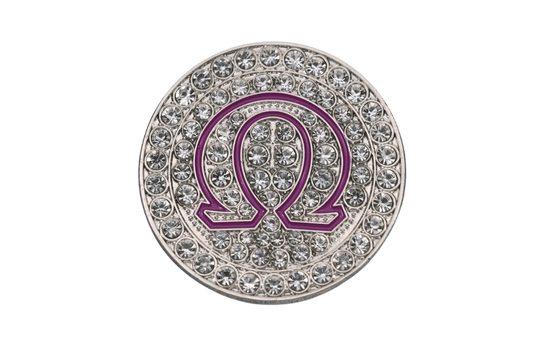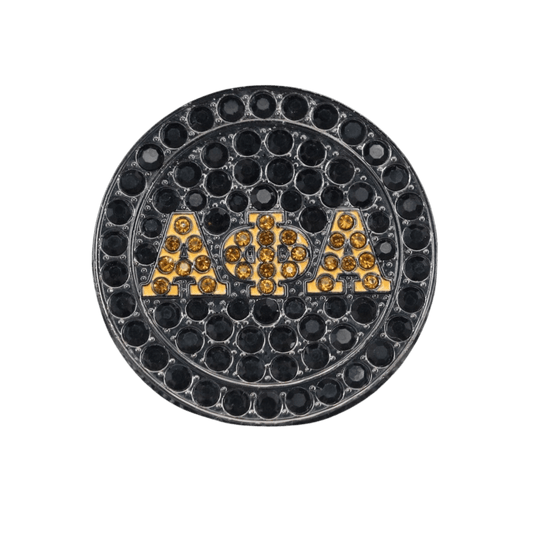

A life membership ring is not the same as a casual chapter pickup or a quick probate flex. This piece usually marks years of dues paid, service given, conventions attended, chapter work handled, and a bond with your letters that kept getting deeper long after crossing night. That is why a real life member ring guide needs to do more than show shiny photos. It should help you choose a ring that feels earned, looks right on your hand, and still carries weight ten years from now.
What a life member ring should say without words
The best life member rings do not scream for attention, but they do speak clearly. Somebody should be able to catch your hand at Founders' Day, a chapter banquet, or the family cookout and know exactly what time you are on. The ring should communicate permanence, not trend. It should feel like a piece you wear because your relationship with the organization is settled, proven, and still active.
That changes how you shop. A crossing gift ring can lean flashy. A probate ring can go extra bold. A life member piece usually sits in a different lane. It can still have presence, of course, but the design tends to work best when the details mean something beyond the moment. The founding year, your org symbol, a life member mark, chapter references, line number details, or a crest element all make sense if they reflect your actual story.
For Divine Nine members especially, symbolism matters. A Que may want something that carries Omega identity with pride but still feels refined enough for graduate chapter events. A Nupe might want a ring that nods to the cane or diamond without making the whole design too busy. An AKA life member may want the ivy represented in a way that feels elegant, not overly decorative. The right move depends on how you wear your letters and where you plan to wear the ring most.
Life member ring guide: start with how you will wear it
Before you get pulled into stone colors and side panel details, ask one simple question - is this your everyday ring, your special-occasion ring, or your both ring?
If you want an everyday piece, comfort matters more than people think. A taller top can look powerful, but if it catches on everything or feels heavy during normal wear, you may leave it in the box. For daily wear, many members do better with a lower-profile top, smoother edges, and a balanced shank that does not feel bulky between the fingers.
If this is more of an event ring, you can go bigger. That is where heavier tops, larger center stones, deeper side engraving, and bolder contrast can shine. For galas, chapter anniversaries, conclaves, boule, regional conferences, and formal functions, a ring with more visual weight can absolutely make sense.
If you want one ring to handle both, split the difference. Go bold in symbolism but disciplined in size. That usually gives you something that still turns heads at the function without being too much on a Tuesday.
Think about your real wardrobe, not your fantasy wardrobe
A lot of ring regret starts here. If you mostly wear business casual, polos, sweaters, and chapter jackets, an oversized ring with a huge raised top may not match your usual look. If you live in suits for work and suit up for most org events, a more polished, classic silhouette may feel right every time you put it on.
The cleanest choice is usually the one that fits the life you already live.
Metal choice is about more than color
This is where a practical life member ring guide has to keep it real. Gold tone, silver tone, and two-tone all hit differently, but the real issue is wear, upkeep, and how the finish supports the design.
Gold-tone rings often bring that rich, traditional fraternal feel. They read ceremonial and established, especially for members celebrating a major milestone. Silver-tone rings can feel sharper and more modern, with engraving that often pops a little differently. Two-tone can be a strong middle ground when you want contrast between letters, symbols, and background details.
But finish is not just about style. It is also about maintenance. If you wear your ring often, the piece will need care over time. Re-plating support matters. A lifetime replacement or restoration policy matters. A life member ring is supposed to stay in rotation, not look tired after one season of chapter events and handshakes.
That is one reason many members shop with brands that understand fraternal jewelry specifically. FraternityRings.com, for example, builds around long-term wear and backs pieces with lifetime re-plating and replacement support, which makes a real difference when you are buying a ring meant to represent your letters for years, not months.
Get the symbolism right
A life member ring should feel personal, but there is a line between meaningful and overcrowded. Trying to put every symbol, date, phrase, stone, and chapter reference on one ring can turn a strong piece into a cluttered one.
Start with the non-negotiables. That may be your Greek letters, your org crest, your founding year, a life member emblem, or a signature symbol tied to your organization's visual tradition. Then think about one or two secondary elements that deepen the story. Maybe that is your chapter name, line year, chapter number, or a symbolic side panel.
The strongest rings usually have one focal point and supporting details, not five focal points fighting each other.
Org pride should still look like good design
This matters more than people admit. Just because a ring includes meaningful symbols does not mean it automatically looks good. Scale matters. Placement matters. Contrast matters. If the letters are too small, they get lost. If the side panels are too crowded, nobody can read the details. If the stone color overpowers everything else, the ring stops feeling timeless.
You want a piece that honors the culture and still wears like fine jewelry.
Stone or no stone?
There is no universal right answer here. Some life members want a center stone because it gives the ring more presence. It catches light, anchors the design, and adds that formal energy that works well for anniversary celebrations and milestone gifts. Others prefer no stone at all because a cleaner top feels stronger, more mature, and easier to wear every day.
If you are deciding, think about what the stone is doing in the design. Is it reinforcing the identity of the ring, or is it there just because rings are supposed to have one? If the ring already has strong engraving, raised lettering, or a powerful crest, a stone may not be necessary. If the top needs a centerpiece, then a stone can absolutely work.
Color matters too. Some members prefer stones that align closely with org colors. Others choose neutral clear stones for a more understated look. It depends on whether you want your ring to read ceremonial, flashy, classic, or all three in the right balance.
Fit is not a small detail
Nothing kills the energy of a great ring faster than bad fit. Too tight, and it is uncomfortable by the second half of the event. Too loose, and it spins, slides, and never feels secure.
Since life member rings often have a larger top, proper sizing becomes even more important. A top-heavy ring can fit differently from a plain band. If your hands swell during the day, if you plan to wear the ring on a specific finger, or if you want to stack it with other jewelry, factor that in before ordering.
A good fit should feel snug enough to stay in place but not so tight that removal becomes a struggle. This is one of those places where taking your time saves you money and frustration later.
Custom or ready-made?
If your organization has well-established visual traditions and you see a design that already nails the look, a ready-made ring can be the right move. It is faster, simpler, and often easier if you want a proven style that members already recognize.
Custom makes more sense when your chapter wants a specific feature, when your org is smaller or mid-size and mainstream jewelry brands ignore your letters, or when you want a one-of-one piece that ties together chapter identity and life member status. The key is working with a jeweler that actually understands fraternal symbolism. Otherwise, you end up explaining your own culture to the people making your ring, and that is rarely how the best pieces get made.
Choose the ring you will still be proud to wear later
The best test is simple. Picture the ring at next month's event, then picture it five years from now at Founders' Day, twenty-five years from now at an anniversary celebration, and one day when a neo asks about it because they can tell it means something. If the design still feels solid in every one of those moments, you are probably close.
A life member ring is not just jewelry. It is visible proof that your commitment did not stop at crossing. Pick the piece that carries your letters with pride, fits your hand like it belongs there, and still looks right when the pictures get framed.