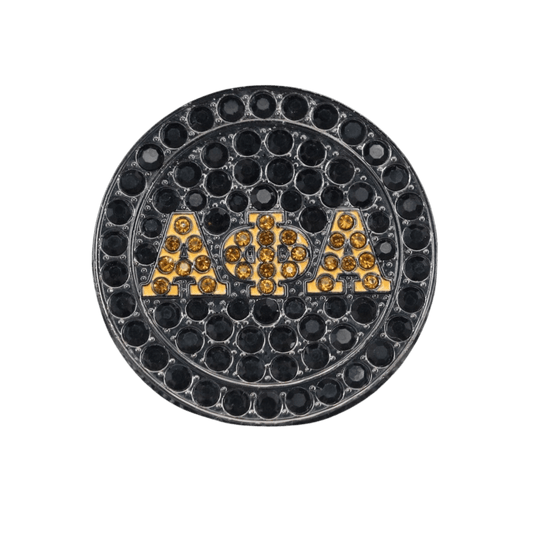

The wrong metal will humble a good ring fast. A piece can look perfect in the mockup, hit hard at probate, and still disappoint six months later if the metal does not match how you actually wear your jewelry. If you are wondering how to choose fraternity ring metal, start with the real question: what do you want this ring to do for you?
For some members, the ring is an everyday statement. It is on at chapter meeting, at work, at brunch, at Founders' Day, and at every event where your letters need to speak before you do. For others, it is more ceremonial - a crossing gift, a 10-year anniversary piece, a life member flex, or something you bring out when the fit is clean and the room matters. The best metal depends on that role.
How to choose fraternity ring metal for real life
A fraternity ring is not just jewelry. It is identity, memory, and earned representation. That means metal choice is not only about shine. It is about durability, weight, upkeep, skin sensitivity, and whether the finish matches your org style.
If you love a bold yellow gold look, that says one thing. If you want a cool silver tone that stays sharp with business wear and daily fits, that says another. A Que might want something heavy with presence. A Nupe might lean polished and crisp. An Alpha may want classic and understated. A Sigma, Delta, AKA, Zeta, SGRho, or Iota may all land differently based on chapter culture, personal style, and how often the ring is getting worn. There is no one right answer. There is only the right metal for your wear pattern.
Start with color, because that is what you will notice first
Most buyers feel the metal before they know the specs. Yellow-toned metals read warm, traditional, and unmistakably celebratory. They feel right at home with bold org colors, milestone gifts, and legacy pieces meant to stand out across the room.
White-toned metals feel cleaner and more modern. They pair easily with watches, bracelets, and everyday jewelry, especially if most of what you already wear is silver-colored. If your ring needs to move from the yard to the office without changing energy too much, white metals usually make that easier.
Rose tones are less common in fraternity jewelry, but for some custom builds they can work when the goal is a distinct look instead of a classic one. Still, most members choosing an org ring want timeless over trendy. If you are buying for a crossing, anniversary, or chapter gift, that usually points back to yellow or white.
The main metals and what they are really like
Gold plated or gold finished metals
Gold-finished rings give you that rich look at a more accessible price. For undergrads, neos, line brothers pooling money for a gift, or anyone who wants a strong visual without stepping into solid gold pricing, this is often the sweet spot.
The trade-off is maintenance. Plated finishes can wear over time, especially if you keep the ring on through hand washing, workouts, heavy sweating, and everyday friction. That does not mean plated is a bad choice. It means you should go in knowing it is a high-style, lower-cost option that may need re-plating down the line. If you want the gold look now and do not mind some future upkeep, it makes a lot of sense.
Sterling silver
Sterling silver is a favorite for members who want a real precious metal without jumping straight to gold. It has a bright, clean look and a satisfying weight that feels substantial without getting wild on price.
Silver does tarnish, though. That is normal, not a flaw. If you are the type to wipe your ring down, store it properly, and clean it once in a while, sterling silver can stay looking excellent. If you know you are rough on jewelry and never want to think about care, you may get annoyed with it.
Stainless steel
Stainless steel is the workhorse. It is durable, hard to scratch compared to softer precious metals, and easy to maintain. If your ring is meant for daily wear and you do not want to baby it, steel deserves a serious look.
The main trade-off is prestige and feel. Steel can look sharp, but it does not carry the same traditional luxury energy as silver or gold. For some members, that does not matter at all. For others, especially if the ring marks a major milestone, they want a metal with more legacy weight behind it.
Solid gold
Solid gold is for the member who wants the long-game piece. It carries history, status, and staying power. If this ring is meant to mark crossing, a major chapter office, retirement from active service, a life membership moment, or a family legacy, solid gold has a different kind of gravity.
It is also a bigger investment. Gold is softer than steel, so it can scratch, and the price is the price. But if you want a ring that feels heirloom-level from day one, this is where a lot of people land. Yellow gold feels classic and bold. White gold gives a cleaner look with that same elevated feel.
Match the metal to how often you will wear it
This is where people get honest with themselves.
If you are wearing the ring every day, prioritize durability and upkeep before pure looks. A ring that lives on your hand while you drive, type, move furniture for chapter events, dap up everybody at the function, and wash your hands ten times a day needs to be built for real life. Stainless steel and certain solid metal options usually make more sense than a delicate finish you will stress over.
If the ring is for special occasions, you can lean more toward appearance and symbolism. A plated gold ring that comes out for probate, anniversary banquets, chapter photos, and Founders' Day might stay looking fresh for a long time simply because it is not taking daily damage.
That is why the same metal is perfect for one member and wrong for another. It depends on the assignment.
Think about your hands, not just the ring
A heavy ring feels powerful to some people and distracting to others. If you like jewelry with presence, a thicker ring in silver, steel, or gold can feel right immediately. If you are new to wearing rings, start with something balanced instead of extra bulky.
Also consider skin sensitivity. Some people can wear almost anything. Others need to be careful with certain base metals or finishes. If you have ever had irritation from watches, chains, or cheaper rings, do not ignore that. Comfort matters. A beautiful ring that sits in the box because it bothers your skin is not the move.
Budget matters, and that is not a small detail
There is nothing unserious about choosing the metal that fits your budget. The point is to get a piece you are proud to wear, not to force a purchase that feels good for one day and bad on your card for six months.
If budget is your main factor, go for the best look and durability balance you can afford. For many buyers, that means plated options or stainless steel. If you have more room and want a precious metal feel, sterling silver gives you a strong middle ground. If this is your forever piece, or a gift tied to a major milestone, solid gold may be worth waiting and saving for.
A lot of members make the smartest choice by thinking in phases. Maybe the first ring is the celebration piece right after crossing. The next one, years later, is the heirloom upgrade. That is still solid ring strategy.
How to choose fraternity ring metal for your style
Your org identity matters, but your personal style matters too. Some members want loud shine and big-face presence. Others want a cleaner ring that lets the letters, shield, crest, or symbol do the talking.
If you wear more gold chains, gold watches, and warmer tones, a yellow gold finish or solid gold ring will likely feel natural. If your everyday setup is silver, white gold, or steel, a white-toned ring usually blends better. If your wardrobe shifts between chapter jackets, tailored looks, and casual fits, neutral metals can be easier to wear across all of it.
This matters because the best fraternity ring is not one you admire in the box. It is one you actually put on.
Do not forget maintenance
Some metals ask more from you. Plated finishes may need re-plating over time. Sterling silver needs occasional cleaning. Gold holds value and beauty but still benefits from proper care. Steel is easier to live with day to day.
That does not mean low-maintenance is always best. It just means you should choose with your habits in mind. If you know you are not cleaning jewelry on a regular basis, pick a metal that forgives that.
At FraternityRings.com, one reason buyers feel comfortable choosing a finish they love is knowing long-term support like replacement and re-plating is part of the conversation. That matters when your ring is more than an accessory.
A good fraternity ring should fit your letters, your lifestyle, and your season. Pick the metal that matches how you move, and your ring will keep showing up right with you - from the probate to the anniversary gala and every chapter moment in between.