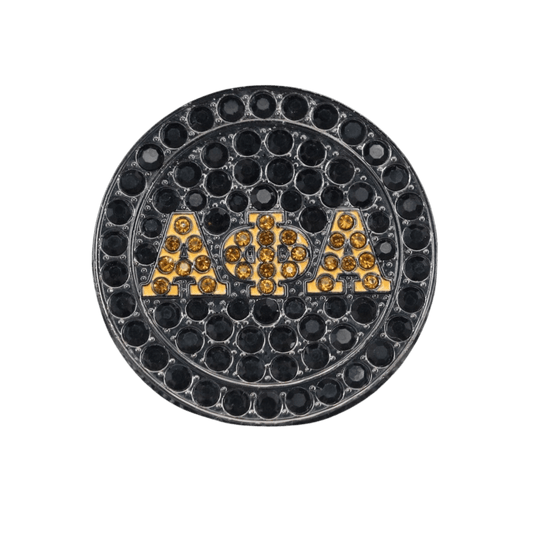

The short answer to can undergrads wear fraternity rings is yes - if they have earned their letters and their organization, chapter, and campus traditions allow it. A ring is not reserved for alumni status. For many members, the first ring comes right after crossing, when the ink is barely dry, the probate videos are still circulating, and the line is figuring out how to rep with pride without doing too much.
That said, Greek jewelry carries meaning. The right time to wear a fraternity ring is less about your class standing and more about your standing in the organization. A freshman with earned letters may wear one. A senior who has not been initiated should not. The difference is simple: letters are earned, not previewed.
Can Undergrads Wear Fraternity Rings After Crossing?
Once you are officially initiated, a fraternity ring can be a real part of your everyday org wear. Undergrads wear rings to chapter meetings, step shows, Founders' Day events, yard functions, campus programs, anniversary celebrations, and the cookout where somebody is definitely going to ask where you got it.
For Divine Nine members, that ring can hold a lot in a small space. A Que may want the Omega symbol front and center. A Nupe may lean into diamonds or cane-inspired details. An Alpha may choose a sphinx-forward design, while an Iota might want a centaur that speaks loudly without saying a word. For sorors, ivy, pyramids, doves, poodles, and other recognized symbols can turn a ring into a personal piece of chapter pride.
Being an undergrad does not make that meaning any less real. In fact, the undergraduate years are often when the connection is most active. You are showing up for programs, studying with your line brothers or line sisters, working chapter events, learning protocol, and building the memories that become lifelong stories. A ring can mark that season beautifully.
Still, crossing is the baseline, not the only consideration. Some chapters have their own expectations around when certain jewelry should be worn, especially around probate season, new member presentations, formal ceremonies, or regional events. Respecting those expectations is part of wearing your letters well.
Earned Letters Come Before the Jewelry
There is a difference between admiring an organization and representing it. Before initiation, wearing a fraternity ring, crest ring, or a piece that clearly displays protected letters is usually not the move. Even if you are on the journey, know members in the chapter, or are convinced you will cross someday, the symbols belong to initiated members.
This is not about gatekeeping somebody's interest. It is about honoring what members went through to earn the right to wear those letters. The process, the history, the service, the bonds, and the responsibility all matter. A fraternity ring is not just a fashion accessory with Greek letters on it. It is a visible signal that you belong to a legacy bigger than yourself.
Parents, partners, and family members should keep this in mind too. A ring can be an incredible crossing gift, but timing matters. If the member has not crossed yet, save the official letters for the celebration after initiation. A thoughtful gift should add to the moment, not put the recipient in an awkward position with their chapter.
There are exceptions for non-member supporters who wear general school Greek-life gear or gifts that do not claim affiliation. But once an item uses an org's name, insignia, shield, Greek letters, or signature symbols in a way that reads as membership, it should stay with members who have earned it.
Your Chapter May Have Its Own Rules
National traditions set the big picture, but chapter culture often shapes the details. One chapter may encourage neos to get a ring right away as a crossing keepsake. Another may prefer members wait until a certain milestone, such as a first anniversary, a line reunion, or graduation. Neither approach automatically makes the other wrong.
Before ordering, ask a prophyte, chapter officer, or line brother who knows the culture. It is a quick conversation that can save you from buying a design that clashes with local tradition. Ask whether your chapter has preferences on stone colors, official symbols, crest usage, ring fingers, or pieces that are more appropriate for formal versus everyday wear.
This matters even more if you are choosing a bold design. A clean signet-style ring with your letters may fit almost anywhere. A ring with detailed insignia, a chapter designation, line information, a crossing year, or a large colored stone makes a bigger statement. That can be exactly the point, but make sure the statement matches the standards your chapter holds close.
The same advice applies beyond the D9. Members of multicultural Greek organizations, local fraternities and sororities, military groups, Masonic bodies, OES chapters, and religious fraternal communities may have traditions that are every bit as specific. Your letters deserve craftsmanship and respect, whether your organization has chapters across the country or a powerful local legacy.
Choose a Ring That Fits Undergraduate Life
Undergrads need jewelry that can keep up. Between class, work, chapter obligations, service projects, travel, stroll practice, and the occasional hard step show, a ring should feel wearable rather than precious in the untouchable sense.
Start with your day-to-day style. If you rarely wear jewelry, a slimmer band or low-profile face may be the better first ring. It reps your org without catching on everything in your backpack, jacket pocket, or steering wheel. If your style is louder, a substantial face, raised letters, or a symbolic design can bring the energy you want for the yard and the function.
Metal color is personal, but it also affects how often you will wear the piece. Gold-tone finishes bring classic ceremonial shine. Silver-tone finishes tend to work easily with everyday looks. Two-tone designs can carry more visual detail, especially when an org symbol and letters need their own space. The best choice is the one you will actually put on, not the one that lives in a box until Founders' Day.
Personalization deserves some restraint. Your initiation year, chapter, line name, or number can make a ring deeply yours. But ask yourself whether you want every detail permanently front-facing. Some members prefer a timeless ring with only letters and a symbol, then add a more detailed anniversary piece later. Others want their neo season captured in full. Both are valid. It depends on your style and the traditions around you.
Wear It With Pride, Not Pressure
A fraternity ring should never become a competition over who crossed first, who has the biggest stone, or whose piece costs the most. The flex is the meaning behind it: service done, history respected, bonds built, and letters represented correctly.
If budget is tight, do not feel like you have to rush into the most elaborate piece available. A well-made, accessible ring is still a ring you earned. You can always build your collection over time with a pendant, lapel pin, chapter anniversary piece, or a life-member ring down the road. Your org story does not end at graduation, and your jewelry does not have to be purchased all at once.
Care matters too. Take your ring off before heavy lifting, harsh cleaning chemicals, pool time, or anything that could scratch, dull, or bend it. After a step show or a long weekend of events, wipe it down with a soft cloth before putting it away. The piece may be bold, but a little maintenance keeps it ready for the next function.
FraternityRings.com builds pieces for that full journey - from a neo's first ring to a milestone design worn decades later. The goal is not just to put letters on metal. It is to give members something worthy of the story those letters carry.
So if you have crossed, your chapter is good with it, and the ring reflects your organization with respect, wear it. Let it catch the light at the gala, sit sharp in the chapter photo, and remind you on an ordinary Tuesday that you are connected to a legacy you earned.