
“Steppers” contains clear Divine Nine shout-outs—but the full track is better understood as a street-rap record using D9 stepping wordplay, not as a broad HBCU anthem.
The short answer
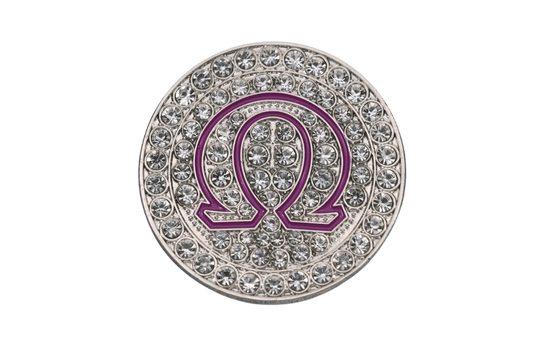
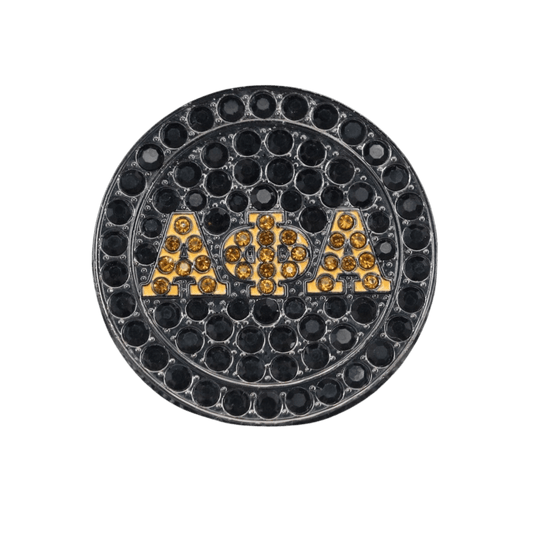
Yes: The Game and Lil Wayne’s “Steppers” directly nods to Omega Psi Phi Fraternity, Inc., Delta Sigma Theta Sorority, Inc. and Alpha Kappa Alpha Sorority, Inc. in the hook. Those references are specific enough to be intentional, and they draw on the vocabulary and visual language of Black Greek stepping.
But context matters. Most of the song uses stepper as a toughness and street-action metaphor. The D9 sequence is a compact piece of wordplay inside that larger frame. Calling the entire song an HBCU anthem would go farther than the lyrics support.
The lyric moment that signals D9
The clearest Omega cue appears in one short phrase:
“steppin’ like I’m Que”
Public lyric transcriptions vary on the final spelling—often rendered as Q or Que—but the Omega Psi Phi context is clear. This article limits the quoted lyric to that four-word excerpt.
The hook then uses Delta twice in a compact double meaning, connecting Delta Sigma Theta with air travel, before addressing AKAs directly and returning to the instruction to step. Taken together, it is an unmistakable three-organization D9 run.
Omega Psi Phi
The Q/Que reference and the stepping image point to Omega Psi Phi. It is the most explicit fraternity signal in the sequence.
Delta Sigma Theta
The lyric pairs the sorority’s name with an airline/travel verb, turning Delta into a deliberate double meaning.
Alpha Kappa Alpha
AKAs are addressed by name in the same hook, completing the sequence of one fraternity and two sorority references.
Two meanings of stepping are working at once
In Black Greek culture, stepping is a synchronized performance tradition built from rhythm, movement, formations, voice and group precision. The hook borrows that recognizable language.
Across the wider track, stepping is used as rap slang for moving with force, readiness or aggression. References to street movement and toughness dominate the song’s broader narrative.
The writing works because those meanings can briefly overlap. Coordinated movement becomes a bridge between Greek stepping imagery and the record’s tougher use of stepper. Recognizing the overlap does not mean treating the two traditions as interchangeable.
Why this is not quite an HBCU anthem
Omega Psi Phi, Delta Sigma Theta and Alpha Kappa Alpha are part of the National Pan-Hellenic Council—the nine historically Black fraternities and sororities commonly called the Divine Nine. Their histories are deeply connected to Black college life, and all three named organizations were founded at Howard University.
Still, D9 culture is larger than any single campus setting. Alumni chapters, community programs and members extend far beyond HBCUs. “Steppers” does not name an HBCU, a homecoming, a marching band, the Yard or a campus tradition beyond the stepping wordplay. The accurate description is therefore a rap song with real D9 shout-outs, not necessarily a song about HBCUs as a whole.
What the references do—and do not—establish
The song shows that D9 language remains instantly recognizable in mainstream hip-hop. The sequence is concise, clever and culturally legible: an Omega nickname, Delta wordplay and a direct AKA address, all organized around the hook’s repeated movement idea.
It does not establish that The Game or Lil Wayne is a member of Omega Psi Phi, Delta Sigma Theta, Alpha Kappa Alpha or any other Divine Nine organization. We found no reliable first-party source establishing such an affiliation, so none is claimed here.

FAQ
Is “Steppers” by The Game an HBCU song?
Not exactly. It contains unmistakable D9 references, but its main subject is the broader street-rap meaning of a stepper. No HBCU is named.
Which Divine Nine organizations are referenced?
Omega Psi Phi, Delta Sigma Theta and Alpha Kappa Alpha.
Is Lil Wayne a member of Omega Psi Phi?
We found no reliable first-party source establishing that. A lyric reference is not proof of membership.
What album is the song on?
“Steppers” is track 3 on The Game’s The Documentary III, released August 21, 2026. Lil Wayne is the featured artist.
Why do some lyric sites spell the Omega reference differently?
Public transcriptions vary between Q and Que. Both point toward the commonly used Omega nickname in this context, but the spelling is not uniform across public lyric pages.
Verified sources
- Apple Music: The Documentary III — official release date, album credits, 24-track listing and featured-artist credit.
- Spotify: The Documentary III — official album listing and “Steppers” as track 3 featuring Lil Wayne.
- Numinati/YouTube: “Steppers” official audio — label-provided track upload and rights line.
- Cifra Club transcription — used only to corroborate the brief D9 lyric references; public transcriptions may vary.
- National Pan-Hellenic Council history — first-party context for the Divine Nine and its member organizations.
Independent editorial disclaimer: FraternityRings.com is not affiliated with or endorsed by The Game, Lil Wayne, their labels, Omega Psi Phi Fraternity, Inc., Delta Sigma Theta Sorority, Inc., Alpha Kappa Alpha Sorority, Inc. or the National Pan-Hellenic Council in connection with this article. Organization and artist names are used for news, commentary and cultural analysis. No artist membership or organizational endorsement is implied. FratRings’ separate merchandise licensing applies only to products explicitly identified as officially licensed.