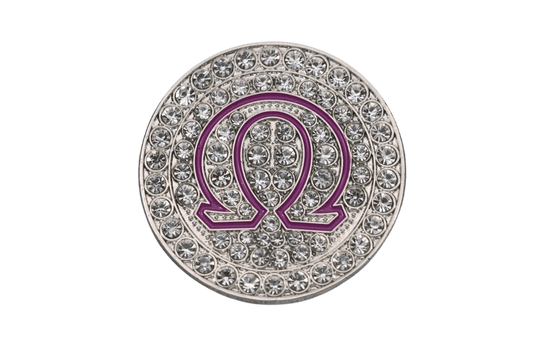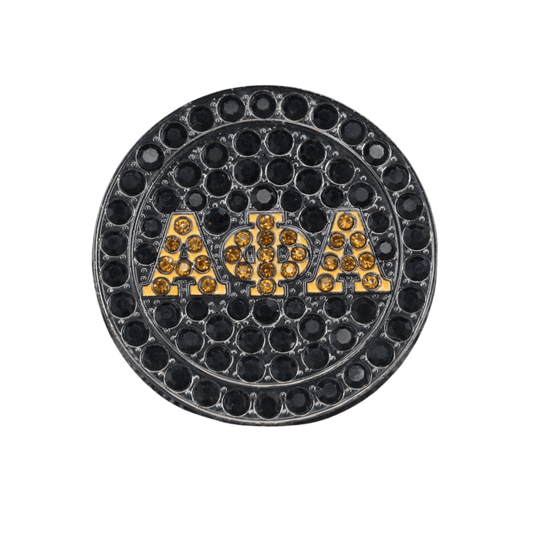

Your letters should make a statement at the probate, the chapter cookout, or Founders' Day dinner - not leave your skin itchy by the end of the night. What makes Greek jewelry hypoallergenic is not the letters, the crest, or how hard the piece flexes. It comes down to the metals against your skin, the quality of the finish, and how the jewelry is made.
That matters whether you are wearing an AKA ivy ring every day, pulling out a Delta pyramid pendant for a milestone gala, or gifting your line brother a bold Que piece after crossing. Hypoallergenic jewelry can help sensitive-skin wearers rep their org with comfort, but the word deserves more than a quick label. Here is what to look for before you put your letters on.
What Makes Greek Jewelry Hypoallergenic?
Greek jewelry is considered hypoallergenic when the materials most likely to touch your skin are less likely to trigger a reaction. The usual troublemaker is nickel. It is a common metal in jewelry alloys because it adds strength and helps create certain finishes, but many people develop irritation or an allergy after repeated exposure.
A hypoallergenic design typically relies on materials such as stainless steel, titanium, sterling silver, or higher-karat gold, along with nickel-free components and plating. The exact answer depends on the piece. A chunky signet ring has a different construction than a lightweight pendant, and earrings require even more care because posts sit directly in pierced skin.
Hypoallergenic does not mean impossible to react to. Skin sensitivity is personal. Someone may wear stainless steel with no issue but react to a gold-tone plated base metal, while another person may do just fine with that same piece. If you already know you have a nickel allergy or another diagnosed metal sensitivity, your best move is to choose the material based on that history rather than trusting a broad marketing term alone.
The Metals That Usually Treat Sensitive Skin Right
Stainless steel brings strength to the yard
Quality stainless steel is one of the most practical choices for Greek jewelry. It is durable, resists tarnish well, and can handle regular wear without demanding a whole maintenance routine. For active members, neos, and alumni who need a ring that can go from a chapter meeting to a step show to Sunday service, that durability matters.
Many stainless-steel grades are low in nickel release because the alloy holds the metal tightly. Still, stainless steel is not automatically nickel-free. If nickel is a known issue for you, look for clear material details rather than assuming every steel piece will feel the same on your skin.
Titanium is light, strong, and skin-friendly
Titanium is widely respected for sensitive skin because it is highly resistant to corrosion and generally less reactive than many common jewelry metals. It is also noticeably lightweight, which can be a real advantage for larger pendants, substantial rings, or pieces you plan to wear all day.
The trade-off is design flexibility. Titanium is tougher to resize and can be more challenging to engrave or shape into highly detailed raised artwork. If your vision calls for deep-cut letters, stones, a detailed crest, or a bold cane-inspired look, another metal may offer more room for artistry.
Sterling silver has classic appeal, with a little maintenance
Sterling silver brings that clean, traditional shine to pieces with real legacy energy. It is often a solid option for people who want an elevated look without jumping straight to solid gold. The catch is that sterling silver can tarnish, especially when it meets sweat, lotion, fragrance, or humid storage.
Tarnish is not the same as an allergy, but buildup can irritate already-sensitive skin. Keep silver clean and dry, and do not let a ring sit for months in a damp bathroom cabinet before the next chapter function.
Gold depends on karat and alloy
Gold jewelry can be a strong option, especially at higher karats, because there is more gold and less alloy metal in the mix. But gold color alone does not tell the whole story. White gold, in particular, may contain nickel depending on the alloy, while yellow gold may use different blends of metals for strength and color.
Gold-plated jewelry deserves its own conversation. A quality plated piece can look sharp and wear comfortably, but plating is a surface layer. Over time, friction, sweat, water, and everyday wear can thin that layer and expose the metal underneath. That is why re-plating support is more than a nice extra - it helps keep the look fresh and can help maintain the skin-facing barrier you chose in the first place.
Plating and Finish Matter as Much as the Base Metal
A piece may start with a decent base metal and still cause issues if the finish is thin, inconsistent, or worn down. Good plating creates an even barrier between skin and the underlying alloy. That is especially relevant on the inside of rings, earring posts, chain clasps, and pendant bails - the areas that actually stay in contact with you.
For gold-tone, black, or two-tone Greek jewelry, ask what the base metal is and whether the finish is described as nickel-free. A bold Kappa-inspired ring or a Sigma pendant may be all about the front-facing design, but comfort is decided on the surfaces nobody sees in the group photo.
Protective coatings can also help some wearers. They are not permanent, though. Hand sanitizer, chlorine, cologne, gym sweat, and repeated rubbing can all wear a finish faster. If you wear your piece daily, inspect it occasionally for fading, discoloration, rough spots, or areas where the color has changed.
A Good Fit Helps Prevent Irritation
Not every jewelry reaction is a true metal allergy. A ring that is too tight traps moisture, soap, and sweat against your skin. A chain that constantly rubs at the neck can create irritation. Earrings with rough posts or loose backs can aggravate the skin even when the metal itself is a good match.
Fit is part of the comfort plan. Your ring should slide over the knuckle with gentle resistance, then sit securely without squeezing. Necklaces should be long enough that the pendant rests where you want it instead of chafing at the collar line. If you are buying a crossing gift for a line sister or line brother, get the sizing right before you surprise them with the piece.
Care Keeps Your Letters Comfortable
Even hypoallergenic jewelry needs respect. After a long day, wipe your ring, pendant, or bracelet with a soft dry cloth to remove sweat and product residue. Take it off before swimming, showering, or applying lotion and fragrance. Store it separately so a sharp edge from another piece does not scratch the plating.
If your skin gets red, itchy, swollen, or develops a rash, stop wearing the piece and let the area recover. Persistent or severe reactions are worth discussing with a medical professional, especially if you are not sure which metal caused the problem. Do not try to power through discomfort just because the piece looks good. Your letters are supposed to feel like pride, not punishment.
Questions to Ask Before You Buy
Before you claim a new ring, pendant, pin, or bracelet, get specific about the materials. Ask whether the piece is stainless steel, sterling silver, titanium, solid gold, or plated. Ask whether nickel is present, what touches the skin, and whether the finish can be restored after normal wear.
That conversation is especially useful for custom work. If your chapter is building a commemorative anniversary piece or a custom collection for a smaller organization, material choices should be part of the design from day one. Your letters deserve the same craftsmanship as the D9, and that includes choosing a metal your members can actually wear with confidence.
The best Greek jewelry does more than catch light when you throw up your sign or step into the function. It holds your story, honors what you earned, and feels good enough to keep close - every day, not just for the photo.