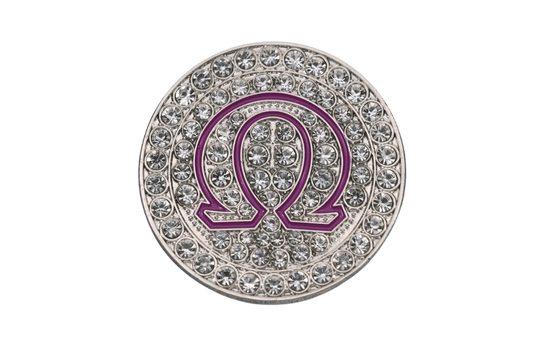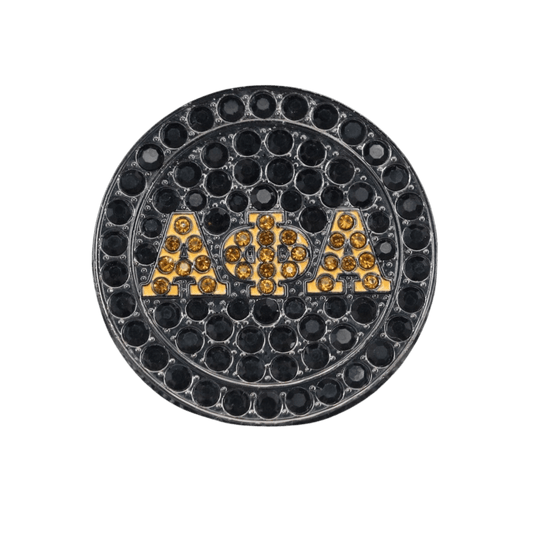

A small fraternity custom jewelry guide starts with one truth: your letters do not have to be nationally known to deserve a piece that looks like it belongs at the front of the probate, the anniversary gala, or the chapter cookout. A custom ring or pendant should carry your identity with the same confidence as the members wearing it.
For smaller fraternities, multicultural Greek organizations, local brotherhoods, military groups, and specialty organizations, custom jewelry is more than merch. It is a way to make the crest, colors, motto, and traditions visible. The right piece says, “These letters were earned,” whether you are a neo taking pictures with the line or a founder celebrating 20 years of service.
Start With the Symbols That Are Actually Yours
Do not begin by copying a generic fraternity ring and dropping your letters on top. The strongest custom pieces pull from the visual language your organization already owns. That may be a shield, crest, animal, torch, crown, star, hand sign, founding year, chapter designation, or a phrase that every brother knows by heart.
Think about what someone should recognize from across the room. Your letters may lead the design, especially for a clean pendant or bold signet ring. But a crest can give a piece more depth, while a motto or founding date makes it personal without overcrowding the face.
Before requesting a design, gather four things:
- High-resolution versions of your crest, seal, letters, and any approved artwork
- Official organization colors, preferably with a clear photo reference if exact shades matter
- The details that belong on every piece, such as the founding year, motto, or organization name
- The details that should stay personal, such as a chapter, line name, crossing year, or member number
Choose the Piece for the Moment
Custom jewelry hits differently depending on where it will be worn. A ring brings presence. It is the piece for meetings, formal events, founders' day, photos, and the kind of handshake where somebody notices the details. A pendant is usually easier for everyday rep, especially when members want something visible but less formal. Lapel pins work well for suits, ceremonies, conferences, and alumni events.
If your organization is building its first jewelry program, start with one hero piece instead of trying to make every possible accessory at once. A pendant with raised letters and a small crest can be a smart first move because it works across age groups and is easy to gift. A signet ring may be the better flagship if your brotherhood has a strong seal or emblem that deserves a larger canvas.
There is also a real trade-off between detail and wearability. Tiny text, complicated crests, and multiple symbols can look impressive in a digital mockup but get lost on a small pendant. A good designer knows when to simplify a shield, enlarge a symbol, or move a motto to the side of a ring. Clean does not mean plain. It means every detail still reads when the piece is on somebody's hand, not just on a screen.
Build a Design That Will Still Look Good Years Later
Trend-heavy designs can be fun for a probate drop, but your organization jewelry should not feel dated by next spring. The goal is a piece with enough personality for the yard and enough polish for an anniversary banquet.
For rings, consider the hierarchy. The face should carry the main symbol - usually the crest, Greek letters, or an organization mark. The sides can hold the founding year, chapter letters, a personal crossing year, or a secondary symbol. Trying to put every tradition on one ring can turn a meaningful design into a crowded one.
For pendants, contrast does a lot of work. Raised polished letters against a textured background, color enamel inside a crest, or a two-tone finish can make the design pop. If your colors are central to your identity, enamel may be worth considering. If you want something more classic and lower-maintenance, a polished metal design with engraved detail can carry just as much pride.
Ask for a proof before production and review it with more than one set of eyes. Bring in an officer, a founder, a prophyte, or the brother who always catches when the chapter line is spelled wrong. Verify letters, color placement, founding dates, symbols, and spelling before anyone approves the final design. That review is not being picky. That is protecting the organization.
Make Room for Chapter and Line Identity
The best custom programs give members a shared foundation without making every piece identical. Your organization can have one approved base design, then offer personal options for chapter, line, or crossing details.
A base pendant may feature the official letters and crest, while the back gets engraved with a chapter name and year. A ring may use the same face for every member but allow individual side text. This approach keeps the organization identity consistent while letting neos, alumni, and life members tell their own story.
Be thoughtful with line information. Some brothers want their line name and number on everything. Others prefer a more understated piece they can wear at work, church, or formal events. Offering both a bold version and a clean heritage version gives members a real choice instead of forcing one look on everybody.
Plan the Order Around Your Actual Chapter Size
Small does not mean disorganized, and it definitely does not mean you should be pushed into an order that leaves boxes of unsold jewelry in somebody's trunk. Before choosing a custom partner, ask how the program handles smaller runs, individual orders, reorders, proofs, personalization, and future updates.
A chapter ordering 12 pieces for a line has different needs than an organization building a permanent collection for members nationwide. For a small run, a straightforward design with limited options may keep costs under control. For a broader program, it can make sense to establish approved variations: a ring, pendant, pin, and anniversary edition that all use the same design language.
Price is not only about the first purchase. Ask what happens when a member loses a ring, needs a resize, wants a replacement years later, or needs a piece refreshed after plenty of wear. Re-plating and replacement support matter because good jewelry is meant to be worn, not hidden away until the next photo op.
FraternityRings.com builds custom programs for organizations that want bold, organization-specific jewelry without needing a massive order to get started. That matters when your group is growing, your chapter is rebuilding, or you are finally ready to give your letters a design that feels official.
Set a Timeline That Respects the Occasion
Custom work needs breathing room. If jewelry is for a crossing, founders' day, charter anniversary, conference, or line presentation, do not wait until the week before and hope the process will move like a group chat at 2 a.m. Artwork review, revisions, production, personalization, and shipping all take time.
Start with the event date, then work backward. Leave room for the organization to review a proof and for members to confirm ring sizes or engraving details. If the date is tight, ask what designs and finishes can realistically be completed without cutting corners. A simpler approved piece delivered on time is better than a complicated concept that misses the moment.
Treat the Finished Piece Like Part of the Legacy
Once the jewelry arrives, do not just hand it out in a plain bag and call it a day. Build a moment around it. Present rings at an anniversary dinner. Gift pendants to a new line after the crossing celebration. Take chapter photos with the pieces on. Let alumni know there is finally an official way to wear the symbols they helped preserve.
Your organization may be smaller on paper, but its story is not small to the brothers who built it, carried it, and kept it moving. Put that story in metal, wear it with your chest out, and give the next generation something worthy of inheriting.